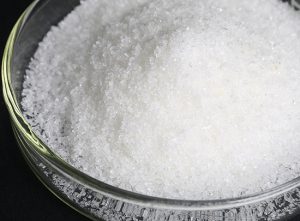
In municipal drinking water facilities and heavy industrial sectors, establishing a reliable, high-velocity coagulation process is key to achieving optimal water clarity and system throughput. Polyaluminum Chloride (PAC) stands globally as the premier inorganic coagulant solution. Classified under CAS No. 1327-41-9, PAC bridges the gap between conventional aluminum salts and high-molecular flocculants. Thanks to its highly pre-polymerized hydroxyl structure, PAC delivers powerful charge-neutralization capabilities, generating heavy, dense flocs that settle rapidly while consuming less alkalinity and significantly lowering residual chemical footprints.
Technical Product Specifications
| Property / Parameter | Drinking Water Grade (High Purity) | Industrial / Wastewater Grade |
|---|---|---|
| Appearance | Bright Yellow to Off-White Powder | Yellow to Dark Yellow Powder / Granules |
| Al2O3 Content (%) | ≥ 29% – 30% | ≥ 27% – 28% |
| Basicity (%) | 40% – 60% | 60% – 90% |
| Water Insoluble Matter (%) | ≤ 0.2% | ≤ 0.6% – 1.5% |
| pH Value (1% water solution) | 3.5 – 5.0 | 3.5 – 5.0 |
| Heavy Metals (As, Pb, Cd) | Strictly compliant with EN 1703 / NSF standards | Standard industrial target margins |
Why Choose Our PAC Coagulants?
- ✓ Enhanced Floc Size and Settling Velocity: PAC features a highly pre-polymerized core that produces larger, denser chemical aggregates (flocs) compared to aluminum sulfate. This speeds up sedimentation and optimizes clarifier performance.
- ✓ Broad pH Performance Range: Our PAC formulations exhibit stable structural property retention across a wide raw water pH spectrum (5.0 to 9.0), eliminating the need for strict, expensive acid-base pre-adjustments.
- ✓ Lower Equipment Corrosion and Footprint: PAC consumes significantly less water alkalinity during hydrolysis than alum. It keeps treated water pH fluctuations minor, protecting your dosing pumps, steel piping networks, and downstream infrastructure from corrosive wear.
Primary Applications
Our targeted PAC grades provide absolute precision across diverse municipal and chemical process water setups:
Municipal Drinking Water
Our spray-dried, high-purity white and light yellow PAC powder removes raw water turbidity, organic color, and micro-colloids, satisfying international potability standards.
Industrial Effluent Treatment
An ideal coagulant choice for heavy industrial wastewater streams, including paper mill streams, textile dye de-colorization, printing factories, and metallurgical runoff.
Oil-Field & Refinery Separation
Widely applied to destabilize and clarify oil-water emulsions, purifying oily reinjection streams and reinjected refinery process water back into storage configurations.
Quality Assurance & Global Compliance
As a leading international chemical exporter, we ensure strict monitoring of active aluminum compounds and meticulous tracking of heavy metal impurities. Our modern chemical refining plants run under stringent management guidelines to meet strict global trade parameters and ensure smooth customs clearance:
- Advanced Laboratory Analytical QC: Every distribution batch of our PAC powder passes through exhaustive validation testing—including atomic absorption spectroscopy (AAS) for trace heavy metal profiling, precise basicity titration, and standardized jar testing curves—ensuring predictable coagulation performance.
- Comprehensive Document Validation: All global shipments are fully backed by updated tracking and technical supporting records. This includes comprehensive multilingual GHS Safety Data Sheets (SDS), detailed Certificates of Analysis (CoA), and regulatory compliance declarations matching EU REACH protocols and NSF/ANSI standards for drinking water.
- Heavy-Duty Moisture Protection Packaging: To fully prevent material caking or ambient humidity absorption across long maritime trade routes, we package our products in multi-wall kraft paper/PE bags (25kg) lined with protective dual PE sheets or robust bulk big jumbo supersacks (FIBCs).
⚠ Storage & Handling Guidelines
Maintaining correct warehouse parameters is necessary to secure the dissolving performance of your Polyaluminum Chloride powder. Because inorganic salts absorb humidity readily, sub-optimal environments can cause powder hardening or decrease active basicity over time.
- • Warehouse Climate Control: Store the product bags inside a completely cool, dry, and shaded warehouse. Keep storage rows isolated from moisture exposure, direct sunlight, steam conduits, open flames, and aggressive chemical raw materials.
- • Equipment Material Selection: Undiluted PAC solutions are acidic. All chemical dissolution vessels, injection lines, and dosing manifold parts must consist of corrosion-proof materials such as PVC, polyethylene (PE), polypropylene (PP), or fiberglass-reinforced plastics (FRP) to avoid metal degradation.
- • Inventory Stacking Life: Under appropriate sealed warehouse storage, our premium PAC granules carry a certified shelf life of 12 months from the date of manufacture. Following a strict First-In, First-Out (FIFO) material rotation system is advised.
Frequently Asked Questions
What does the “basicity” of PAC mean, and why is it technically important? +
What is the difference between spray-dried PAC and roller-dried PAC? +
How should liquid working solutions of PAC be prepared from dry powder? +
Can PAC be paired with organic polymers like Polyacrylamide (PAM)? +
Partner with a Reliable Chemical Supplier
We supply international-standard Polyaluminum Chloride (PAC) water coagulants meticulously processed to ensure high basicity control. Available in spray-dried white or light yellow drinking water powders and roller-dried wastewater grades to match your operational metrics perfectly.