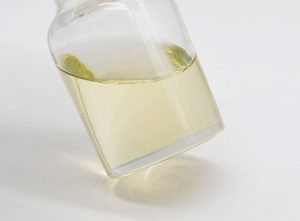
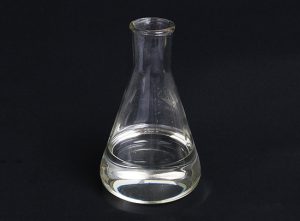
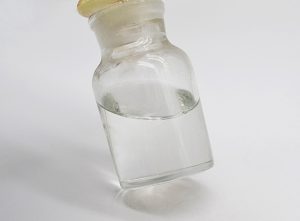
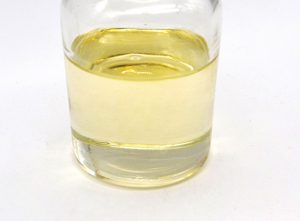
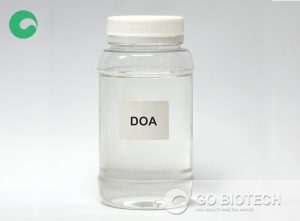
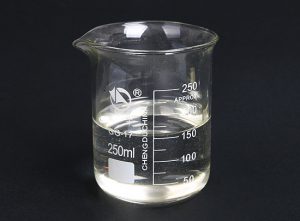
In the globally regulated plastics and rubber compounding sectors, shifting away from restricted petroleum-derived ortho-phthalates has driven significant technical innovation. Tributyl Citrate (universally recognized in B2B chemical procurement fields as TBC) represents a premier bio-based alternative plasticizer produced from the natural esterification of citric acid with n-butanol. Chemically registered under CAS No. 77-94-1, TBC is a clear, virtually odorless, high-boiling transparent liquid. Featuring a well-balanced polar ester framework, TBC acts as a highly efficient primary plasticizer that grants exceptional processability and low-temperature flexibility across a wide range of food-contact materials, medical devices, child consumer products, and specialized engineering resins.
Technical Product Specifications
| Property / Parameter | Standard Specification |
|---|---|
| Chemical Name | Tributyl Citrate / Tributyl 2-hydroxypropane-1,2,3-tricarboxylate (TBC) |
| CAS Number | 77-94-1 |
| Molecular Formula | C18H32O7 |
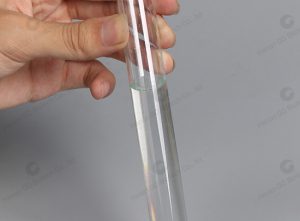
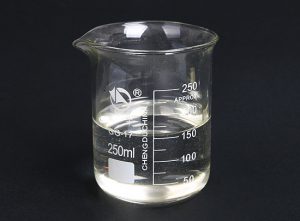
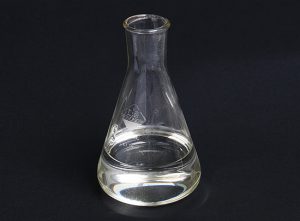
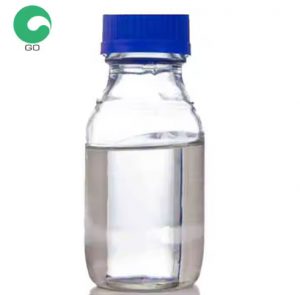
| Appearance | Clear, colorless, transparent oily liquid |
| Assay / Ester Content (%) | ≥ 99.0% |
| Acid Value (mg KOH/g) | ≤ 0.20 |
| Flash Point (°C) | ≥ 185 °C |
| Density (20°C, g/cm³) | 1.037 – 1.045 g/cm³ |
Why Choose Our TBC Plasticizer?
- ✓ Premium Eco-Friendly Composition: Synthesized directly from renewable agricultural resources, TBC serves as a reliable, fully biodegradable, and non-toxic direct substitute for hazardous ortho-phthalates.
- ✓ Enhanced Volatility & Temperature Profile: Boasting a longer alkyl chain structure compared to Triethyl Citrate (TEC), TBC exhibits lower volatility, higher flash points, and superior cold-resistance thresholds during high-heat vulcanization processes.
- ✓ Broad Global Regulatory Clearances: Extensively certified by major agencies (including the US FDA and European food-contact authorities) for use in sensitive consumer products, packaging wraps, child toys, and medical applications.
Primary Applications
Tributyl Citrate (TBC) demonstrates superb molecular affinity and compatibility when compounded into Polyvinyl Chloride (PVC), Polylactic Acid (PLA), Polyvinyl Butyral (PVB), cellulose resins, and polar elastomers:
Medical Grade Tubing & Sheets
Extensively selected for non-toxic medical flexible PVC profiles, storage blood bags, physiological drainage tubes, and sensitive diagnostic component seals.
Food Packaging Materials
A premier choice for clear consumer stretch films, food container seal gaskets, infant bottle cap liners, and agricultural bioplastic storage systems.
Toys & Specialized Resins
Formulated inside children’s toys, eco-friendly plasticized flooring sheets, texturized synthetic rubbers, and as a performance modifier in biodegradable bioplastics.
Quality Assurance & Global Compliance
As a world-class chemical manufacturer, we recognize that chemical purity, minimal trace moisture, and strict batch-to-batch consistency directly impact your automated manufacturing margins. Our state-of-the-art esterification facilities enforce rigid monitoring regulations to guarantee smooth supply chains across all international target networks:
- Advanced Laboratory Analytical Inspections: Every industrial production lot of our TBC transparent fluid passes through rigorous quality screens—including gas chromatography (GC) matrix screening, trace water checks, and precise acid value titrations—ensuring outstanding product stability.
- Comprehensive Global Regulatory Frameworks: We operate with a highly proactive compliance methodology. All export shipments arrive accompanied by detailed Certificates of Analysis (CoA), comprehensive multilingual GHS Safety Data Sheets (SDS), and official documentation fully matching EU REACH, US TSCA, and relevant pharmacopeia parameters.
- Clean Fluid Logistics Configurations: To seamlessly fit different automated fluid dosing infrastructures or processing limits on your plant floor, we supply TBC in standard 200kg tight-head steel drums, 1000L high-density IBC totes, and high-capacity bulk flexitanks.
⚠ Storage & Handling Guidelines
Maintaining proper warehouse environmental parameters is crucial to preserve the functional purity, low odor, and chemical stability of Tributyl Citrate (TBC). Because organic ester structures can absorb atmospheric moisture over extended periods, strict climate and sealing protocols must be enforced.
- • Warehouse Climate Control: Store all chemical containers inside dry, thoroughly ventilated, and cool indoor facilities. Keep stock coordinates completely isolated from direct sunlight, open heating vents, or specialized hot processing components.
- • Moisture Prevention & Sealing: Keep all drum closures and transfer connections tightly sealed when not dispensing fluid. Air exposure must be systematically limited to prevent moisture uptake, which can trigger slow ester hydrolysis and elevate the acid value over time.
- • Shelf Life Strategy: Preserved under stable, un-opened temperature-controlled warehouse conditions, our industrial TBC plasticizer retains a certified shelf life of 24 months from the manufacturing date. Implementing a continuous First-In, First-Out (FIFO) pipeline is recommended.
Frequently Asked Questions
What is the primary difference in performance between TEC and TBC? +
Is TBC fully compatible with rubber and bioplastics? +
What is the typical dosage range of TBC inside flexible polymer setups? +
Partner with a Reliable Chemical Supplier
We provide premium-grade Tributyl Citrate (TBC) carefully processed to meet international technical benchmarks. Available in uniform, high-purity liquid lots and customizable commercial packaging configurations to ensure absolute batch precision inside your industrial mixing environment.