In industrial wastewater management and municipal water purification, removing suspended solids, colloidal particles, heavy metals, and organic pollutants efficiently is essential to meet strict environmental discharge standards. As core Water Treatment Chemicals, coagulants and flocculants determine sedimentation speed, sludge dewatering efficiency, and overall chemical operating costs.
Among all chemical agents used in water treatment plants worldwide, Polyaluminum Chloride (PAC) and Polyacrylamide (PAM) are the two most widely utilized solutions. Understanding how they work—and when to use them individually or in combination—is the key to optimizing your water treatment performance.
Coagulation vs. Flocculation: How PAC and PAM Work
Although PAC and PAM are often referred to together as “flocculants” in daily procurement, they perform two distinct, sequential chemical functions during solid-liquid separation:
Coagulation (Charge Neutralization): Fine suspended solids and colloids in raw wastewater carry negative surface charges that cause them to repel each other and remain permanently suspended. Inorganic coagulants like PAC release high-valence polynuclear aluminum hydroxyl ions that neutralize these negative charges, destabilizing the colloids into microscopic pin-flocs.
Flocculation (Adsorption Bridging): Once micro-flocs are formed, high-molecular-weight organic polymers like PAM act as physical bridges. Their long molecular chains adsorb multiple destabilized particles simultaneously, binding them into large, dense, and fast-settling macro-flocs that can be easily removed via sedimentation, flotation (DAF), or filter presses.
Understanding the Core Agents: PAC and PAM Series
Selecting the right grade and ionic charge directly impacts effluent turbidity and sludge moisture content. Here is how our standard PAC and PAM products operate across industrial systems:
PAC is a highly efficient inorganic polymer coagulant offering rapid hydrolysis, strong charge neutralization, and wide pH adaptability (pH 5.0–9.0). Compared to traditional aluminum sulfate (alum), PAC requires lower dosages, generates less chemical sludge, and works effectively even in low-temperature, low-turbidity water.
PAM is a water-soluble linear macromolecule with molecular weights ranging from 6 to 22 million Daltons. Anionic PAM (APAM) excels in inorganic mineral and metallurgical wastewater; Cationic PAM (CPAM) is essential for organic sludge dewatering; and Non-Ionic PAM (NPAM) performs reliably in acidic wastewater systems.
Technical Specifications Comparison: PAC vs. PAM
To assist water treatment engineers and procurement managers in designing cost-effective dosing regimens, the table below compares the core characteristics of PAC and PAM:
| Parameter | PAC (Polyaluminum Chloride) | PAM (Polyacrylamide) |
|---|---|---|
| Chemical Nature | Inorganic Polymer Coagulant | Organic Macromolecule Flocculant |
| CAS Number | 1327-41-9 | 9003-05-8 |
| Primary Mechanism | Charge Neutralization | Adsorption Bridging |
| Floc Size & Settling | Small, compact micro-flocs | Large, coarse, fast-settling macro-flocs |
| Typical Dosage | 20 – 200 ppm (mg/L) | 0.5 – 5 ppm (mg/L) |
Selection Guide: Which Flocculant Fits Your Wastewater Type?
Different industrial effluents require tailored chemical strategies depending on particle charge, organic load (COD/BOD), and pH levels:
- Choose PAC + Anionic PAM for Inorganic & High-Turbidity Wastewater: Ideal for mining tailings, coal washing, ceramic processing, steel mills, and electroplating effluent where positively charged PAC neutralizes mineral colloids and Anionic PAM accelerates rapid sedimentation.
- Choose Cationic PAM (CPAM) for Organic Sludge Dewatering: Essential for municipal sewage plants, food & beverage processing, paper mills, and fermentation wastewater. CPAM binds negatively charged organic sludge fibers, drastically reducing filter cake moisture in belt presses and centrifuges.
- Choose PAC (Drinking Water Grade) for Potable & Process Water: High-purity spray-dried PAC (Al2O3 ≥ 30%, ultra-low heavy metals) is the preferred coagulant for municipal drinking water plants and industrial cooling tower make-up water.
The Golden Rule of Combined Dosing: PAC First, PAM Second
In 80% of industrial wastewater systems, combining PAC and PAM yields far superior clarity and lower chemical costs than using either product alone. However, dosing sequence is critical:
Reliable Bulk Supply, Packaging & Strict Quality Control
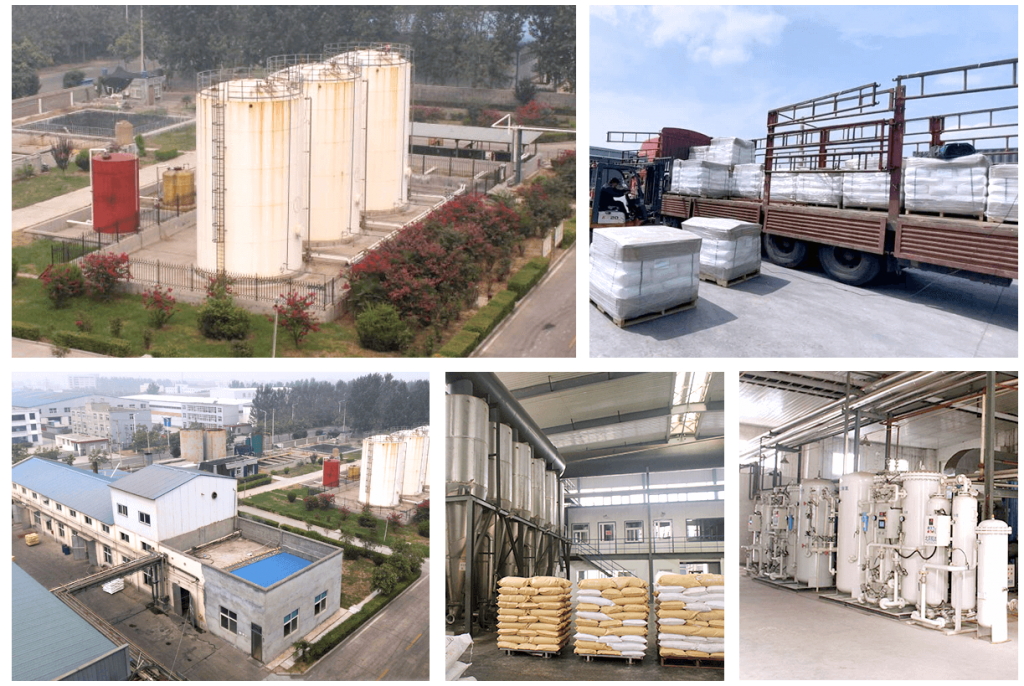
As a trusted global exporter of water treatment agents, we supply both drum-dried and spray-dried PAC (yellow, light yellow, and white grades) alongside a full spectrum of Anionic, Cationic, and Non-Ionic PAM powders and emulsions with consistent molecular weight and degree of hydrolysis.
- Moisture-Proof Export Packaging: 25 kg woven polypropylene (PP) bags with inner PE liners, or 25 kg kraft paper bags, palletized and shrink-wrapped for long-distance sea freight.
- Quality & Regulatory Compliance: Every batch is tested for Al2O3 content, basicity, insoluble matter, molecular weight, and residual monomer, fully certified under ISO 9001 and NSF/ANSI 60 (for drinking water grades).
Frequently Asked Questions (FAQ)
Q1
Can PAC and PAM be dissolved in the same preparation tank?
No. Never mix PAC and PAM in the same dissolving tank. Because PAC is strongly cationic and Anionic PAM is negatively charged, mixing them in concentrated form causes immediate cross-linking and gelation, clogging dosing pumps and rendering both chemicals ineffective. Always dissolve and dose them separately.
Q2
How long does it take to dissolve PAM powder before dosing?
PAM powder should be slowly sprinkled into clean water at a concentration of 0.1% to 0.3% under gentle stirring (100–200 rpm) for 40 to 60 minutes until completely dissolved into a transparent, viscous solution without “fish-eyes” (undissolved gel lumps).
Q3
How can we determine the exact PAC and PAM grade for our plant?
We offer complimentary sample kits covering multiple molecular weights and ionic degrees. Simply share your wastewater source, pH range, and dewatering equipment type, and our engineers will recommend the best-performing grades for your jar tests.
Looking for a Reliable PAC & PAM Water Treatment Chemical Supplier?
From municipal waterworks to heavy industrial wastewater treatment plants, we deliver consistent quality, competitive bulk FOB/CIF pricing, and tailored technical support.
Request a Quote & Free Sample
Get latest COA, TDS, MSDS, and sample kits within 24 hours.