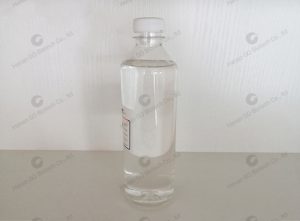
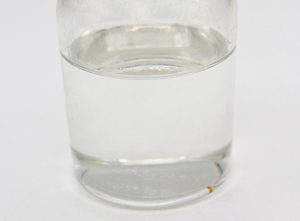
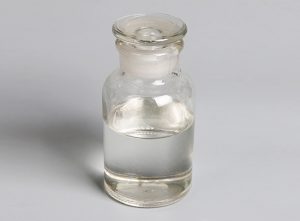
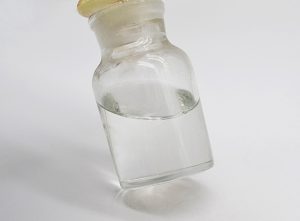
In high-precision vinyl processing, specialty elastomer compounding, and advanced adhesive formulation, optimizing processing safety while achieving structural flexibility is a major production target. Diisobutyl Phthalate (universally specified in B2B chemical distribution as DIBP) operates as an elite, fast-fusing primary plasticizer. Chemically classified as Bis(2-methylpropyl) benzene-1,2-dicarboxylate (CAS No. 84-69-5), DIBP is a water-white, low-viscosity clear liquid with excellent thermodynamic compatibility across polar polymers. Thanks to its branched isobutyl chains, DIBP exhibits faster gelation rates and lower processing viscosity profiles than straight-chain phthalates, making it a powerful solvating modifier for plastisols, nitrile rubbers, and nitrocellulose systems.
Technical Product Specifications
| Property / Parameter | Standard Specification (Premium Grade) |
|---|---|
| Chemical Name | Diisobutyl Phthalate (DIBP) |
| CAS Number | 84-69-5 |
| Molecular Formula | C16H22O4 |
| Ester Purity / Active Content (%) | ≥ 99.5% |
| Color (APHA / Pt-Co) | ≤ 20 max |
| Density (g/cm³ at 20°C) | 1.038 – 1.043 g/cm³ |
| Moisture / Water Content (%) | ≤ 0.10% |
| Acidity (as Phthalic Acid, %) | ≤ 0.01% |
Why Choose Our DIBP Plasticizer?
- ✓ Rapid Gelation and Fast Solvation: Possesses a lower fusion temperature threshold, shortening consolidation paths in vinyl pastisols and saving processing energy in high-speed molding configurations.
- ✓ Excellent Internal Lubrication: Lowers the Mooney viscosity boundaries of specialty rubbers, improving pigment dispersion, filler wetting, and melt flow properties during extrusion.
- ✓ Superb Low-Temperature Crack Resistance: Provides a soft elastic texture and fatigue safety for modified polymers under cold environments, avoiding low-temperature fracture defects.
Primary Applications
Plasticizer DIBP is highly utilized within polyvinyl chloride (PVC) pastes, polar synthetic rubbers, and specialty resin coatings:
PVC Plastisols & Coatings
Functions as a premier fast-fusing processing aid for vinyl slush moldings, synthetic leather skins, screen-printing inks, and dip coatings.
Nitrile (NBR) & CR Rubber Modification
Extensively formulated into polar elastomers to decrease compounding internal friction, optimize calendar processing, and increase final elastic elongation parameters.
Cellulosics & Industrial Adhesives
Used as a primary plasticizing carrier for nitrocellulose lacquers, ethyl cellulose coatings, polyvinyl acetate (PVA) wood glues, and sealants.
⚠ Storage & Handling Guidelines
Maintaining appropriate warehouse climate parameters is vital to protect the high active purity, low acid value, and water-white transparency of Diisobutyl Phthalate (DIBP). Although it possesses excellent thermal and chemical stability, its short branched chains make it slightly sensitive to atmospheric humidity pickup, which can induce slow hydrolytic breakdown over prolonged open storage.
- • Warehouse Climate Control: Store all liquid drums, IBC totes, or bulk tanks within a thoroughly cool, dry, and well-ventilated dedicated warehouse location. Ensure all inventory remains fully isolated from direct solar radiation, high-heat sources, and open flames.
- • Airtight Sealing Management: Ensure all container bungs, valves, and caps are tightly resealed immediately after any sampling or dispensing operations. Keeping containers hermetically sealed prevents humidity absorption and safeguards the low-acidity performance parameters of the ester.
- • Shelf Life & Rotation Strategy: Under clean, temperature-controlled, and sealed environment parameters, our premium DIBP plasticizer carries a certified shelf life of 24 months from the date of manufacture. Adhering to a strict First-In, First-Out (FIFO) material rotation system is recommended.
Frequently Asked Questions
What makes DIBP uniquely suited for fast-fusing PVC plastisols? +
How does DIBP optimize the processing of Nitrile Rubber (NBR) compounds? +
What is the typical dosage range for DIBP in polymer formulations? +
Partner with a Reliable Chemical Supplier
We provide premium-grade Diisobutyl Phthalate (DIBP) plasticizer carefully processed to meet international technical benchmarks. Available in high-purity liquid drums, IBC totes, and bulk ISO tanks to ensure absolute processing precision inside your polymer mixing environment.