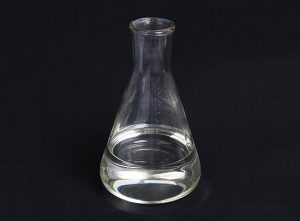
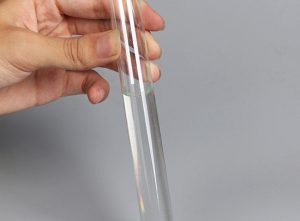
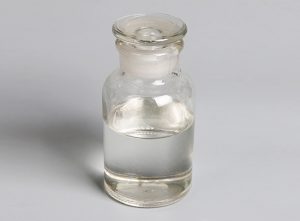
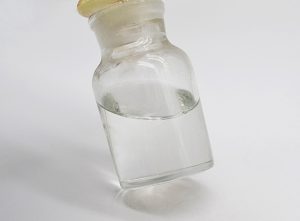
In global polymer compounding, industrial coatings, and technical rubber formulation, low-molecular-weight esters are highly valued for their unique solvating and fluidizing properties. Dimethyl Phthalate (universally recognized in commercial chemical distribution as DMP) stands as a premium short-chain phthalate plasticizer. Chemically defined as Dimethyl benzene-1,2-dicarboxylate (CAS No. 131-11-3), DMP is a water-white, clear, colorless oily liquid with a slight sweet aroma. Characterized by its strong thermodynamic compatibility with polar polymers, DMP exhibits powerful solvent action, significantly optimizing polymer melt flow during extrusion and serving as an ideal carrier or dispersant across complex industrial configurations.
Technical Product Specifications
| Property / Parameter | Standard Specification (Premium Grade) |
|---|---|
| Chemical Name | Dimethyl Phthalate (DMP) |
| CAS Number | 131-11-3 |
| Molecular Formula | C10H10O4 |
| Ester Content / Purity (%) | ≥ 99.5% |
| Color (APHA / Pt-Co) | ≤ 20 max |
| Density (g/cm³ at 20°C) | 1.191 – 1.195 g/cm³ |
| Acidity (as Phthalic Acid, %) | ≤ 0.01% |
| Flash Point (°C, Closed Cup) | ≥ 146 °C |
Why Choose Our DMP Plasticizer?
- ✓ Exceptional Solvating and Compatibility Profile: Exhibits remarkably high compatibility with polar polymers like Cellulose Acetate (CA), delivering seamless resin fusion and a smooth, unblemished surface finish.
- ✓ Outstanding Wetting and Dispersing Action: Serves as an elite carrier medium and blending solvent for organic peroxides, active rubber curing pastes, and industrial pigments, achieving uniform matrix distribution.
- ✓ Excellent Dynamic Processing Viscosity: Its small molecular configuration lowers compounding internal friction, modifying elastomeric compound flow properties to yield efficient molding cycles.
Primary Applications
Plasticizer DMP is universally implemented across cellulosic resins, rubber organic peroxide catalysts, and dynamic elastomer modifications:
Cellulose Acetate & Plastics
The historical benchmark plasticizer for cellulose acetate sheets, film substrates, molding powders, transparent handles, and plexiglass modification configurations.
Organic Peroxide Catalyst Carriers
Extensively selected as a phlegmatizer and safe damping solvent for manufacturing Methyl Ethyl Ketone Peroxide (MEKP) and sulfur vulcanization booster pastes.
Specialty Elastomers & Coatings
Used in polar rubbers like NBR and fluororubbers to adjust green tack, modify processing flow, and function as a solvent in nitrocellulose varnishes.
⚠ Storage & Handling Guidelines
Maintaining correct warehouse climate parameters is vital to protect the active ester purity and excellent water-white clarity of Dimethyl Phthalate (DMP). Although it has high chemical stability, its shorter alkyl chain makes it slightly more hygroscopic than higher-molecular-weight phthalates like DOP, meaning strict protection against humidity ingress is necessary.
- • Warehouse Climate Control: Store all liquid drums, IBC vessels, or bulk storage tanks within a thoroughly cool, dry, and well-ventilated dedicated warehouse footprint. Keep storage rows isolated from direct sunlight, heating lines, vents, or open flames.
- • Airtight Sealing Management: Ensure all drum bungs, container valves, and caps are tightly sealed immediately after dispensing. This prevents moisture uptake from the ambient air, which can cause slow hydrolytic acid formation over prolonged storage.
- • Shelf Life & Rotation Strategy: Under clean, temperature-controlled, and sealed environment parameters, our premium DMP plasticizer carries a certified shelf life of 24 months from the date of manufacture. Adhering to a continuous First-In, First-Out (FIFO) material rotation system is recommended.
Frequently Asked Questions
Why is DMP preferred over DOP as a carrier solvent for organic peroxides? +
Does DMP cause surface blooming or migration defects in elastomers? +
What is the typical recommended dosage range for DMP inside Cellulose Acetate setups? +
Is DMP compatible with secondary eco-friendly plasticizer additives? +
Partner with a Reliable Chemical Supplier
We provide premium-grade Dimethyl Phthalate (DMP) plasticizer carefully processed to meet international technical benchmarks. Available in high-purity liquid drums, IBC totes, and bulk ISO tanks to ensure absolute processing precision inside your polymer mixing environment.