Over the past decade, the global polyvinyl chloride (PVC) industry has undergone a profound structural transformation. As environmental regulations tighten across North America, Europe, and emerging markets, manufacturers are actively transitioning away from traditional ortho-phthalates toward safer, high-performance Plasticizers.
At the forefront of this transition is the shift from DOP (Dioctyl Phthalate) to DOTP (Dioctyl Terephthalate). Combining non-toxic regulatory compliance with superior electrical insulation, lower volatility, and seamless 1:1 processability, DOTP has rapidly become the global benchmark for modern flexible PVC manufacturing.
Chemical Structure & Regulatory Compliance: Why DOTP Is Safe
Although DOP and DOTP share identical molecular formulas (C24H38O4) and molecular weights (390.56 g/mol), their spatial isomerism creates a decisive difference in toxicological safety and regulatory status.
Ortho-Phthalate vs. Terephthalate Structure: DOP (DEHP) features two ester groups positioned adjacent to each other (ortho-position) on the benzene ring, which triggers endocrine-disrupting concerns and places it on the EU REACH SVHC (Substances of Very High Concern) restriction list. In contrast, DOTP features ester groups positioned opposite each other (para-position), resulting in a completely different metabolic pathway that poses no reproductive or developmental toxicity.
Consequently, DOTP is fully compliant with EU REACH, RoHS, US CPSIA, and FDA food-contact standards, allowing PVC manufacturers to export finished goods globally without regulatory barriers.
Core Performance Breakdown: DOTP vs. DOP
Beyond regulatory compliance, DOTP outperforms traditional DOP across several critical physical and electrical metrics in flexible PVC compounding:
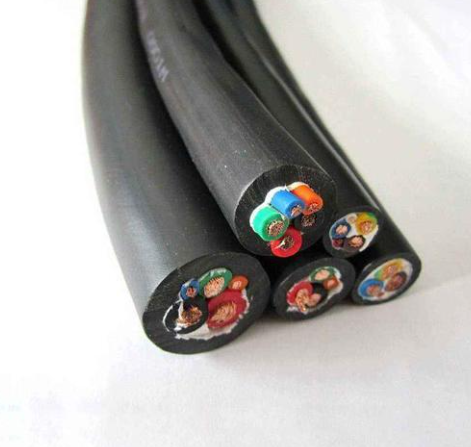
DOTP offers roughly 10× higher volume resistivity than DOP, significantly lower volatility (reducing oven fuming and product shrinkage), superior cold-flexibility, and better resistance to soapy water extraction. It is the preferred primary plasticizer for 70°C–105°C wire and cable insulation, luxury vinyl tiles (LVT), automotive interiors, and children’s toys.
DOP remains a classic general-purpose plasticizer known for rapid PVC resin fusion, strong solvating power, and broad compatibility. While restricted in consumer and toy applications across Europe and North America, it continues to serve industrial PVC films, hoses, and footwear in non-restricted regional markets.
Technical Specifications Comparison: DOTP vs. DOP
To help PVC formulators and procurement teams evaluate direct substitution, the table below compares key laboratory parameters of 99.5% pure DOTP and DOP:
| Property / Parameter | DOTP (CAS 6422-86-2) | DOP (CAS 117-81-7) |
|---|---|---|
| Regulatory Status | Phthalate-Free (REACH / CPSIA Safe) | Restricted Ortho-Phthalate (SVHC) |
| Volume Resistivity (20°C) | ≥ 1.0 × 10¹² Ω·cm (Superior) | ~ 1.0 × 10¹¹ Ω·cm |
| Volatility / Heating Loss | Very Low (≤ 0.10% at 125°C, 2h) | Moderate (~ 0.20% at 125°C, 2h) |
| Low-Temperature Flexibility | Brittle Point: -39°C to -41°C | Brittle Point: -35°C to -37°C |
| Plastisol Viscosity Stability | Low initial viscosity & slow aging | Higher viscosity build-up over time |
How to Transition Your PVC Formula from DOP to DOTP
One of DOTP’s biggest commercial advantages is that it acts as a drop-in 1:1 replacement for DOP without requiring expensive machinery upgrades. Keep these three formulation tips in mind during conversion:
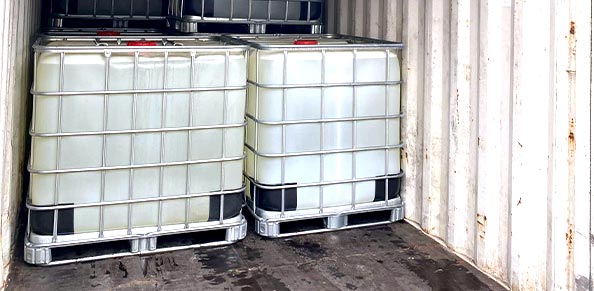
Figure 2: Our 99.5% DOTP plasticizer is available in 200kg drums, 1000kg IBC tanks, and 22MT flexitanks for flexible global container shipping.
Reliable Bulk Supply, Packaging & Strict Quality Control
As an experienced manufacturer and global exporter of eco-friendly plasticizers, we supply 99.5% Superior-Grade DOTP with ultra-low color (≤ 20 Hazen), low acid value (≤ 0.05 mg KOH/g), and zero ortho-phthalate contamination verified by GC-MS testing.
- Flexible Container Loading (20′ FCL): 200 kg galvanized iron/HDPE drums (16 MT/20′ FCL), 1,000 kg IBC tanks (20 MT/20′ FCL), or 22–24 MT Flexitanks for maximum sea freight savings.
- Full Regulatory Documentation: Every shipment includes a detailed Certificate of Analysis (COA), MSDS, TDS, and third-party SGS phthalate-free test reports compliant with EU REACH and RoHS.
Frequently Asked Questions (FAQ)
Q1
Is DOTP considered a phthalate under EU REACH and US CPSIA regulations?
No. Regulatory bans target ortho-phthalates (such as DEHP/DOP, DBP, BBP, and DIBP). Because DOTP is a terephthalate ester, it is legally classified as a non-phthalate plasticizer and is unrestricted in toys, childcare articles, flooring, and food-contact applications.
Q2
Does switching from DOP to DOTP change the hardness of our finished PVC product?
DOTP has virtually the same plasticizing efficiency as DOP (substitution factor ~1.02). Replacing DOP at a 1:1 phr ratio produces identical Shore A hardness, tensile elongation, and softness while improving heat aging and cold-crack resistance.
Q3
Can we order mixed container loads of DOTP with other plasticizers?
Yes. For drummed and IBC shipments, we support mixed 20′ FCL container loading combining DOTP with specialty plasticizers such as ESBO, DOA, TOTM, or ATBC to help you optimize inventory and ocean freight costs.
Ready to Switch to High-Purity Phthalate-Free DOTP Plasticizer?
Whether you manufacture PVC cables, flooring, artificial leather, or consumer goods, our technical sales team offers factory-direct bulk pricing and rapid sample dispatch.
Request a Quote & Free Sample
Get latest COA, SGS report, and CIF/FOB pricing within 12 hours.