In high-specification elastomer engineering, automotive profile extrusion, and extreme-heat gasket molding, conventional sulfur vulcanization often falls short due to severe reversion and thermal degradation. Rubber Accelerator DPTT (universally recognized in global markets as Accelerator TRA) stands as a premium thiuram polysulfide ultra-accelerator. Chemically identified as Dipentamethylenethiuram Hexasulfide (CAS No. 971-15-3), DPTT breaks down during vulcanization to yield approximately 25% available active free sulfur by mass. This massive reservoir makes DPTT one of the industry’s most potent sulfur donors for efficient vulcanization (EV) systems, establishing dense, thermally robust monosulfidic cross-links without causing the crystalline surface blooming common to low-molecular-weight thiurams.
Technical Product Specifications
| Property / Parameter | Standard Specification |
|---|---|
| Chemical Name | Dipentamethylenethiuram Hexasulfide (DPTT / TRA) |
| CAS Number | 971-15-3 |
| Molecular Formula | C12H20N2S7 |
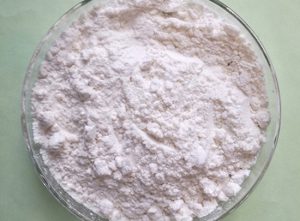
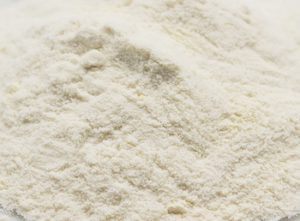
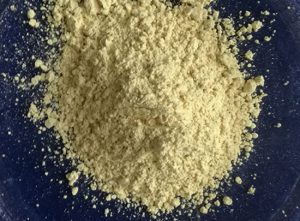
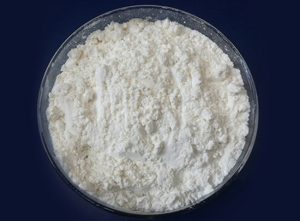
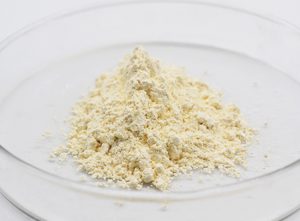
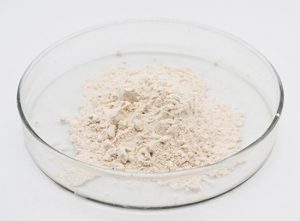
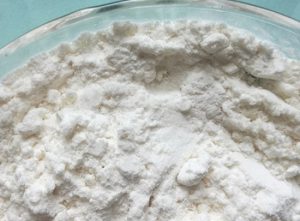
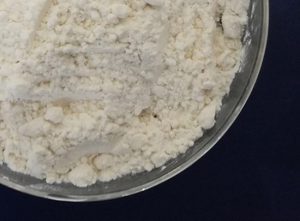
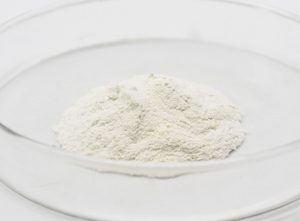
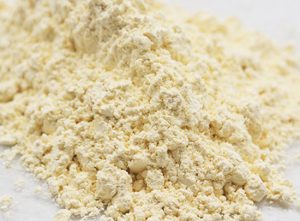
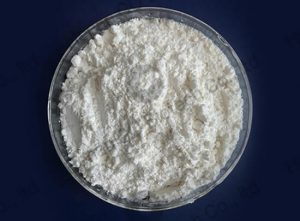
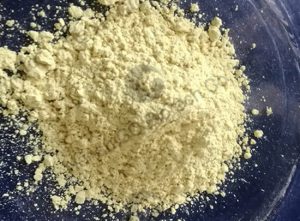
| Appearance | Light yellow to light grey powder / oiled powder / dust-free granules |
| Initial Melting Point (°C) | ≥ 115.0 °C (First Grade) / ≥ 110.0 °C (Qualified Grade) |
| Loss on Drying (%) | ≤ 0.30% |
| Ash Content (%) | ≤ 0.30% |
| Sieve Residue (150 μm / 100 mesh) | ≤ 0.10% |
Why Choose Our DPTT (TRA) Accelerator?
- ✓ Extreme Heat and Aging Resistance: By functioning as a high-efficiency sulfur donor in sulfurless vulcanization setups, DPTT replaces volatile free sulfur to form thermally resilient mono-sulfide cross-links, preventing high-temperature reversion.
- ✓ Excellent Anti-Blooming Performance: Its unique high-molecular piperidine ring structure exhibits significantly greater solubility inside rubber matrices compared to methyl-based thiurams (like TMTD), virtually eliminating surface bloom defects.
- ✓ Low Compression Set & Safe Processing: Imparts high cross-linking speed at cure temperature while maintaining stable processing safety margins on mills and extruders, yielding exceptional tensile modulus and elastic memory.
Primary Applications
Accelerator DPTT (TRA) is highly utilized in Natural Rubber (NR), Styrene-Butadiene Rubber (SBR), Nitrile Rubber (NBR), Chloroprene Rubber (CR), Hypalon (CSM), and EPDM compounding:
Automotive EPDM Seals & Hoses
Extensively applied in steam-vulcanized vehicle weatherstripping, radiator hoses, turbocharger hoses, and dense extruded window glass profiles.
Heat-Resistant Cable Insulation
A premium secondary vulcanization booster for heavy-duty flexible mining cords, mining cable sheathing, and marine power cables.
Severe Mechanical Products
Selected for multi-layer chemical hoses, mining conveyor belt compounds, oilfield packers, engine gaskets, and vibrant non-discoloring rubber goods.
Quality Assurance & Global Compliance
As a leading global partner in industrial chemical manufacturing, we understand that raw material purity, molecular consistency, and strict regulatory tracking directly safeguard your production line metrics. Our advanced manufacturing facilities maintain rigorous quality configurations to ensure total compliance and confidence across all international markets:
- Advanced Laboratory Quality Control: Every commercial batch of our Accelerator DPTT (TRA) passes through extensive laboratory verification protocols—including precise capillary melting point profiling, high-performance liquid chromatography (HPLC) active chemical fraction mapping, and moisture content calibration—ensuring predictable batch uniformity.
- Comprehensive International Regulatory Compliance: We maintain a highly proactive approach to global chemical governance. All export shipments are systematically backed by complete regulatory documentation, including up-to-date, comprehensive multilingual GHS Safety Data Sheets (SDS), detailed Certificates of Analysis (CoA), and official tracking credentials fully matching EU REACH and US TSCA parameters.
- Optimized Packaging & Workspace Safety: To lower material handling loss and eliminate airborne chemical dust cross-contamination on your factory floor, we offer tailored logistics configurations. This includes standard multi-wall moisture-resistant kraft paper bags (25kg) lined with protective PE film, bulk jumbo supersacks (FIBCs), and dust-free oiled granule grades suited for automated weighing systems.
⚠ Storage & Handling Guidelines
Maintaining correct warehouse parameters is vital to protect the active compounding stability of Accelerator DPTT. Because polysulfide thiuram chemicals carry high reactive potential under moisture exposure, sub-optimal storage states can cause slow degradation or material clumping.
- • Warehouse Climate Control: Store the chemical bags within cold, thoroughly dry, and well-ventilated warehouse bays. Keep storage alleys isolated from moisture footprints, direct solar heating, open steam piping, and strong acid matrices.
- • Stacking & Caking Prohibitions: Avoid excessive double-pallet storage configurations during peak summer thermal spells to eliminate risk of structural physical caking or lumping.
- • Inventory Shelf Lifespan: Under appropriate sealed warehouse storage, our premium DPTT particles carry a certified shelf life of 24 months from the date of manufacture. Following a strict First-In, First-Out (FIFO) material rotation system is highly advised.
Frequently Asked Questions
What makes DPTT (TRA) a better sulfur donor than TMTD or TETD? +
How is DPTT utilized as a primary vs. secondary accelerator? +
Does DPTT cause processing scorch issues during extrusion or Banbury mixing? +
Why is DPTT (TRA) vital for Hypalon (CSM) and Chloroprene (CR) rubber compounds? +
Partner with a Reliable Chemical Supplier
We provide premium-grade Rubber Accelerator DPTT (TRA) meticulously processed to meet high international technical specifications. Available in uniform crystalline powders and custom dust-free granulate selections to ensure absolute batch stability inside your factory mixing systems.