In contemporary elastomer compounding and tire engineering, maximizing production safety without compromising final vulcanizate performance is essential. Rubber Accelerator TBBS (widely known globally as NS) stands as the industry-standard delayed-action sulfenamide primary accelerator. Chemically defined as N-tert-Butyl-2-benzothiazolesulfenamide (CAS No. 95-31-8), TBBS offers a longer scorch delay than CBS while delivering a faster curing rate than NOBS (MBS). Because its tert-butylamine structure does not generate regulated carcinogenic nitrosamines during vulcanization, TBBS has become the preferred, environmentally compliant replacement for NOBS across global radial tire and technical rubber manufacturing lines.
Technical Product Specifications
| Property / Parameter | Standard Specification |
|---|---|
| Chemical Name | N-tert-Butyl-2-benzothiazolesulfenamide (TBBS / NS) |
| CAS Number | 95-31-8 |
| Molecular Formula | C11H14N2S2 |
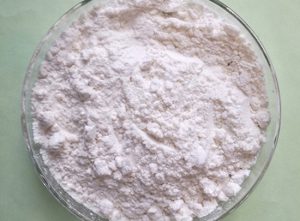
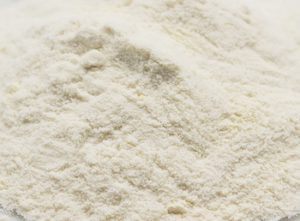
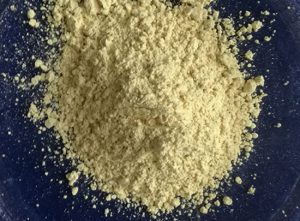
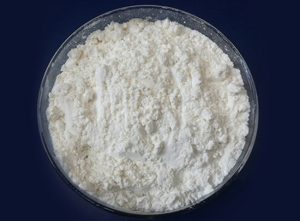
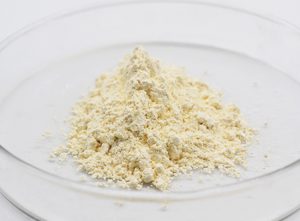
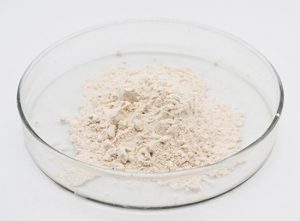
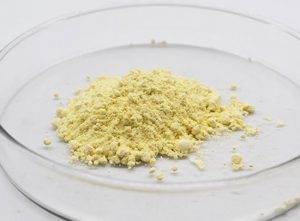
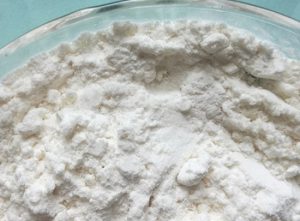
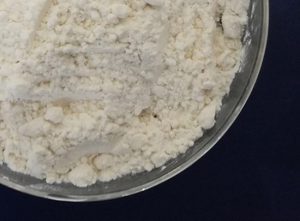
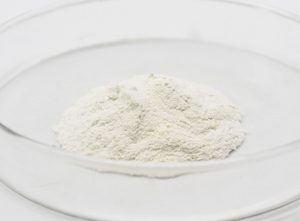
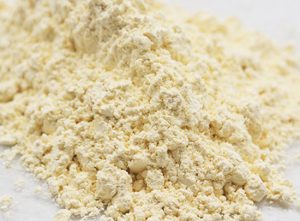
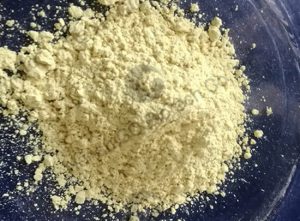
| Appearance | Off-white to light yellow powder / oiled powder / dust-free granules |
| Initial Melting Point (°C) | ≥ 105.0 °C (First Grade) / ≥ 103.0 °C (Qualified Grade) |
| Loss on Drying (%) | ≤ 0.30% |
| Ash Content (%) | ≤ 0.30% |
| Methanol Insolubles (%) | ≤ 0.50% |
Why Choose Our TBBS (NS) Accelerator?
- ✓ Nitrosamine-Free Safety Profile: Unlike morpholine-derived accelerators (such as NOBS), TBBS decomposes into harmless tert-butylamine during curing, eliminating regulated volatile nitrosamines in the workplace and finished rubber goods.
- ✓ Balanced Scorch Delay & Fast Cure Rate: Delivers an extended processing safety window during high-shear Banbury mixing and extrusion, followed by a rapid, high-efficiency cross-linking curve once curing temperature is reached.
- ✓ High Modulus & Reversion Resistance: Imparts superior tensile modulus, low hysteresis heat build-up, and excellent resistance to over-cure reversion in Natural Rubber (NR) and synthetic elastomer blends.
Primary Applications
Accelerator TBBS (NS) is highly compatible with Natural Rubber (NR), Styrene-Butadiene Rubber (SBR), Polybutadiene Rubber (BR), Isoprene Rubber (IR), and Nitrile Rubber (NBR) formulations:
Passenger & Truck Radial Tires
Widely formulated into high-reinforcement furnace black tire treads, carcass plies, inner liners, and steel-cord skim compounds requiring high modulus and low heat generation.
Industrial Belts & Hoses
Ideal for heavy-duty conveyor belts, automotive timing and V-belts, and high-pressure hydraulic hoses requiring reliable extrusion scorch protection.
Molded Automotive & Footwear Parts
Selected for vibration-damping engine mounts, suspension bushings, industrial seals, and high-abrasion molded rubber footwear outsoles.
Quality Assurance & Global Compliance
As a leading global partner in industrial chemical manufacturing, we understand that raw material purity, molecular consistency, and strict regulatory tracking directly safeguard your production line metrics. Our advanced manufacturing facilities maintain rigorous quality configurations to ensure total compliance and confidence across all international markets:
- Advanced Laboratory Quality Control: Every commercial batch of our Accelerator TBBS (NS) undergoes extensive laboratory verification—including capillary melting range testing, high-performance liquid chromatography (HPLC) for active assay validation, and methanol insoluble screening—ensuring zero batch-to-batch variance in your mixing room.
- Comprehensive International Regulatory Compliance: We maintain a highly proactive approach to global chemical governance. All export shipments are systematically backed by complete regulatory documentation, including up-to-date, comprehensive multilingual GHS Safety Data Sheets (SDS), detailed Certificates of Analysis (CoA), and official tracking credentials fully matching EU REACH and US TSCA parameters.
- Optimized Packaging & Workspace Safety: To lower material handling loss and eliminate airborne chemical dust cross-contamination on your factory floor, we offer tailored logistics configurations. This includes standard multi-wall moisture-resistant kraft paper bags (25kg) lined with protective PE film, bulk jumbo supersacks (FIBCs), and dust-free oiled granule grades suited for automated dosing systems.
⚠ Storage & Handling Guidelines
Maintaining correct climate-controlled conditions is essential to protect the molecular performance stability of Accelerator TBBS. Because sulfenamide compounds are sensitive to prolonged heat and humidity, sub-optimal warehouse storage can induce slow hydrolysis, reducing active assay and scorch delay times.
- • Temperature & Humidity Controls: Store the chemical inside a completely dry, cool, and well-ventilated dedicated warehouse where ambient temperatures remain below 35°C. Keep storage racks isolated from direct solar radiation, steam pipes, heating vents, and acidic raw materials.
- • Sealing & Stacking Management: Keep all bags tightly tied and undamaged until immediate compounding use. Avoid excessive pallet double-stacking to prevent caking or compaction during warm summer months.
- • Shelf Life & Rotation: Under proper cool, shaded warehouse conditions, our premium TBBS (NS) exhibits a certified shelf life of 12 months from the date of manufacture. A strict First-In, First-Out (FIFO) inventory rotation cycle is strongly recommended.
Frequently Asked Questions
Why is TBBS (NS) widely used as a replacement for NOBS (MBS)? +
How does TBBS compare to CBS (CZ) in rubber compounding? +
What physical forms of TBBS (NS) are available for automated dosing systems? +
What is the recommended dosage range for TBBS in tire and mechanical compounds? +
Partner with a Reliable Chemical Supplier
We provide premium-grade Rubber Accelerator TBBS (NS) carefully processed to meet international technical benchmarks. Available in high-purity crystalline powder and custom dust-free granule configurations to ensure absolute batch precision inside your industrial mixing environment.