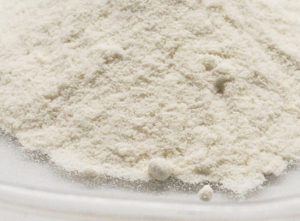
In high-performance automotive tire compounding, heavy mining belting systems, and high-stress dynamic elastomer manufacturing, defense against relentless environmental degradation is the primary driver of product longevity. Rubber Antioxidant 6PPD (universally recognized in B2B chemical procurement fields as Antioxidant 4020) stands globally as the most effective and widely specified paraphenylene diamine (PPD) antiozonant. Chemically identified as N-(1,3-Dimethylbutyl)-N’-phenyl-p-phenylenediamine (CAS No. 793-24-8), 6PPD features a highly optimized molecular migration velocity. It continuously diffuses to the rubber substrate boundaries, forming a highly reactive physical-chemical barrier that traps ozone molecules, neutralizes free radicals, and cuts dynamic structural cleavage loops before surface cracks can initiate.
Technical Product Specifications
| Property / Parameter | Standard Specification |
|---|---|
| Chemical Name | N-(1,3-Dimethylbutyl)-N’-phenyl-p-phenylenediamine (6PPD / 4020) |
| CAS Number | 793-24-8 |
| Molecular Formula | C18H20N2 |
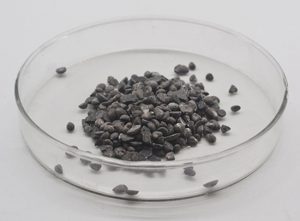
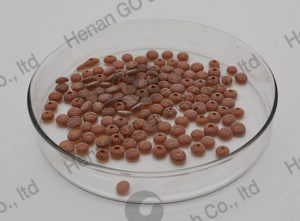
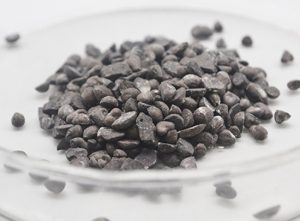
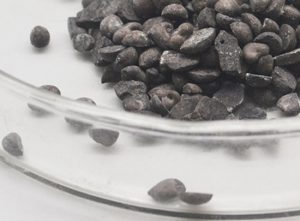
| Appearance | Dark violet-brown to dark brown granules / pastilles |
| Initial Melting Point (°C) | ≥ 44.0 °C |
| Heating Loss (%) | ≤ 0.30% |
| Ash Content (%) | ≤ 0.15% |
| Active Assay Purity (GC, %) | ≥ 96.0% |
Why Choose Our 6PPD (4020) Antioxidant?
- ✓ Ultimate Dynamic Antiozonant Protection: Provides continuous migration to the vulcanizate boundaries, establishing a steady regenerative shield against high environmental ozone values during high-velocity flexing cycles.
- ✓ Superb Anti-Flex Fatigue Kinetics: Powerfully interrupts cross-link degradation, thermal skinning, and oxidation loops caused by dynamic heat build-up under cyclical stress loads.
- ✓ Outstanding Extraction Resistance: Exhibits much lower volatility and higher water-washout resistance compared to low-molecular-weight options like IPPD, safeguarding compounds in harsh rainy weather conditions.
Primary Applications
Antioxidant 6PPD (4020) is universally implemented across Natural Rubber (NR), Styrene-Butadiene Rubber (SBR), Polybutadiene Rubber (BR), and Nitrile Rubber (NBR) matrices:
Radial Tire Manufacturing
An irreplaceable component for passenger, truck, and massive off-the-road (OTR) tire tread compounding, elastic sidewalls, wire skim layers, and retread backing stocks.
High-Load Conveyor Belting
Secures deep dynamic fatigue shields inside critical steel-cord mining transmission belting, heavy automotive industrial belts, and gas hoses.
Molded Industrial Mechanicals
Formulated into dynamic shock-absorbing engine mounts, high-flex protection boots, expandable bridge bearings, dock fenders, and dark structural goods.
⚠ Storage & Handling Guidelines
Maintaining strict climate-controlled warehouse conditions is essential to protect the physical pastille shape and molecular integrity of Antioxidant 6PPD (4020). Because alkyl-aryl p-phenylenediamines possess a very low melting temperature boundary (~44°C) and read reactive tendencies toward open air, sub-optimal storage can trigger solid compaction and mass caking.
- • Strict Temperature Controls: Store the chemical packages inside a thoroughly dry, cold, and well-ventilated dedicated warehouse where ambient temperatures remain strictly below 30°C (ideally below 25°C). Keep stock completely isolated from direct solar heating, ventilation openings, and steam ducts.
- • Sealing & Hardening Management: Keep all bags tightly tied and uncompromised until immediate compounding use. Avoid double-pallet configurations or excessive stacking height to eliminate solid pastille fusion over warm summer seasons.
- • Shelf Life Strategy: Under perfect climate-managed sealed environments, our premium 6PPD granules carry a certified shelf life of 12 months from the manufacturing date. Running a precise First-In, First-Out (FIFO) material management model is highly recommended.
Frequently Asked Questions
Why is 6PPD (4020) the preferred antiozonant over IPPD (4010NA) in tire engineering? +
Does 6PPD cause surface blooming and staining? +
What is the standard recommended dosage range for Antioxidant 6PPD? +
Partner with a Reliable Chemical Supplier
We provide premium-grade Rubber Antioxidant 6PPD (4020) carefully processed to meet international technical benchmarks. Available in high-purity granules and pastilles to ensure absolute batch precision inside your industrial mixing environment.