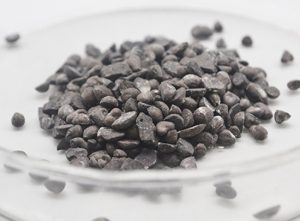
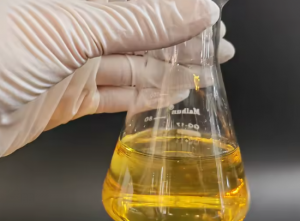
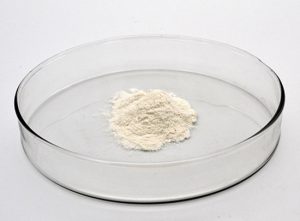
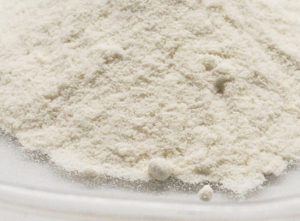
In high-stress tire engineering and technical rubber production, preventing surface degradation from environmental ozone and aggressive dynamic movement is vital for compounding safety. Rubber Antioxidant IPPD (widely recognized in global B2B markets as 4010NA) operates as a highly potent p-phenylenediamine chemical protector. Chemically defined as N-Isopropyl-N’-phenyl-p-phenylenediamine (CAS No. 101-72-4), IPPD features a fast migration profile that enables it to rapidly diffuse to the rubber matrix boundaries. This agile migration creates an instant, dense protective layer at the vulcanizate surface, yielding exceptional early-stage defense against raw ozone cracking, flexing fatigue, and oxidative aging loops.
Technical Product Specifications
| Property / Parameter | Standard Specification |
|---|---|
| Chemical Name | N-Isopropyl-N’-phenyl-p-phenylenediamine (IPPD / 4010NA) |
| CAS Number | 101-72-4 |
| Molecular Formula | C15H16N2 |
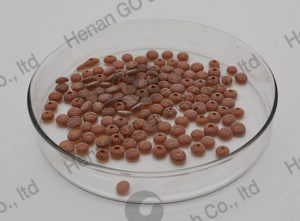
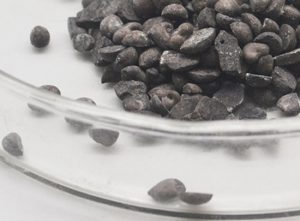
| Appearance | Dark violet-brown to dark brown granules / pastilles |
| Initial Melting Point (°C) | ≥ 70.0 °C |
| Heating Loss (%) | ≤ 0.30% |
| Ash Content (%) | ≤ 0.20% |
| Active Assay Purity (%) | ≥ 96.0% |
Why Choose Our IPPD (4010NA) Antioxidant?
- ✓ Exceptional Dynamic Ozone Protection: Thanks to its agile migration rates, IPPD rapidly replenishes the surface barrier during mechanical movements, preventing micro-cracks in dynamically stressed rubber sections.
- ✓ Superior Resistance to Flex Fatigue: Highly effective at scavenging peroxy radicals under severe cyclical stress, minimizing cross-link breakdown loops to preserve structural tensile stamina.
- ✓ Robust Deactivation of Heavy Metals: Acts as a reliable chemical stabilizer to counteract copper and manganese ions, preventing catalyzed thermo-oxidative polymer degradation.
Primary Applications
Antioxidant IPPD (4010NA) is extensively incorporated across Natural Rubber (NR), Styrene-Butadiene Rubber (SBR), Polybutadiene Rubber (BR), and Nitrile Rubber (NBR) matrices:
Tire Component Components
An essential antiozonant compound for pneumatic radial tire sidewalls, tread grooves, solid carcass structures, and dynamic inner liner components.
Heavy Conveyor Belting & V-Belts
Secures deep dynamic fatiguing fatigue shields inside critical transmission belting, mining conveyor configurations, and robust high-pressure hoses.
Molded Industrial Mechanical Parts
Formulated into dynamic shock-absorbing engine mounts, high-flex protective boots, expansion joints, and dark industrial mechanical goods.
⚠ Storage & Handling Guidelines
Maintaining strict climate-controlled warehouse conditions is essential to safeguard the active purity and performance parameters of Antioxidant IPPD (4010NA). Because alkyl-aryl p-phenylenediamines possess a low initial melting point (~70°C) and high reactivity toward oxygen, sub-optimal storage can accelerate material clumping and oxidative degradation.
- • Strict Temperature Controls: Store the chemical packages inside a thoroughly dry, cool, and well-ventilated dedicated warehouse where ambient temperatures remain strictly below 30°C. Keep stock isolated from direct solar radiation, heating vents, or steam lines.
- • Sealing & Compaction Management: Keep all bags tightly tied and undamaged until immediate dry compounding. Refrain from high pallet configuration stacking to completely eliminate the risk of product fusion or solid block-caking during warm summer months.
- • Shelf Life & Inventory Strategy: Under clean, temperature-controlled sealed environments, our premium IPPD products carry a certified shelf life of 12 months from the manufacturing date. Emphasizing a continuous First-In, First-Out (FIFO) pipeline is recommended.
Frequently Asked Questions
What is the core distinction between Antioxidant IPPD (4010NA) and 6PPD (4020)? +
Does Antioxidant IPPD cause contact staining or blooming problems? +
What is the typical recommended dosage range for IPPD in heavy industrial goods? +
Partner with a Reliable Chemical Supplier
We provide premium-grade Rubber Antioxidant IPPD (4010NA) carefully processed to meet international technical benchmarks. Available in high-purity granules and pastilles to ensure absolute batch precision inside your industrial mixing environment.