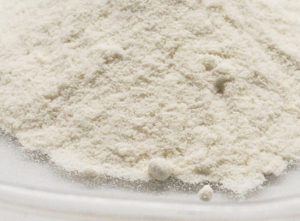
In demanding tire applications and heavy-duty elastomer engineering, preventing premature surface cracking and structural degradation over extended service lifespans is critical. Rubber Antioxidant DTPD (widely known globally as Antioxidant 3100) serves as a premier diaryl-p-phenylenediamine (DAPD) antiozonant. Chemically composed of a mixture of N,N’-Ditolyl-p-phenylenediamine, N-Tolyl-N’-xylyl-p-phenylenediamine, and N,N’-Dixylyl-p-phenylenediamine (CAS No. 68953-84-4), DTPD exhibits low volatility, high molecular weight, and slow migration rates. Unlike conventional alkyl-aryl PPDs (such as 6PPD) that deplete rapidly at the rubber surface, DTPD provides sustained, long-term resistance against ozone attack, dynamic flexing, and catalytic metal poisoning.
Technical Product Specifications
| Property / Parameter | Standard Specification |
|---|---|
| Chemical Name | Mixed Diaryl-p-phenylenediamines (DTPD / Antioxidant 3100) |
| CAS Number | 68953-84-4 |
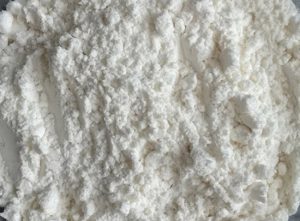
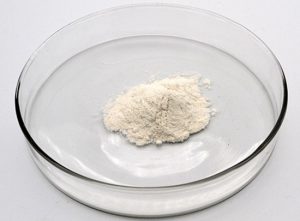
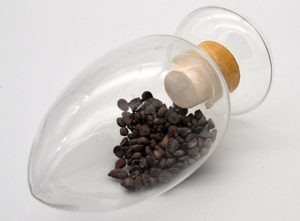
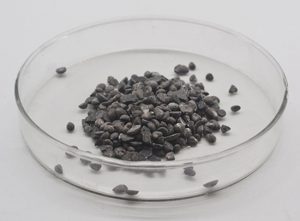
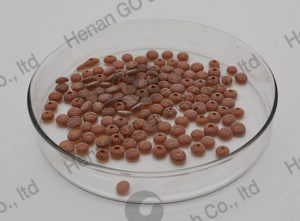
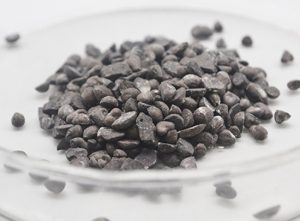
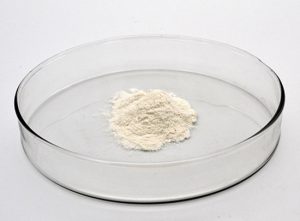
| Appearance | Grey-brown to dark brown powder / pastilles / dust-free granules |
| Initial Melting Point (°C) | ≥ 90.0 °C (First Grade) / ≥ 85.0 °C (Qualified Grade) |
| Loss on Drying (%) | ≤ 0.50% |
| Ash Content (%) | ≤ 0.30% |
| Active Content / Purity (%) | ≥ 95.0% |
| Specific Gravity (g/cm³) | 1.18 – 1.22 g/cm³ |
Why Choose Our Rubber Antioxidant DTPD (3100)?
- ✓ Long-Term Antiozonant & Flex-Cracking Defense: Because DTPD possesses a higher molecular weight and slower diffusion rate than 6PPD, it remains active inside the elastomer matrix far longer, protecting tires during the second half of their service life.
- ✓ Low Volatility & Superior Extraction Resistance: Resists evaporation during high-temperature mixing, retreading, and curing cycles, while resisting wash-out from water, rain, and road moisture.
- ✓ Non-Blooming & Metal Deactivation: Exhibits higher solubility in rubber compounds than standard diaryl-PPDs, allowing higher dosages without surface blooming, while neutralizing harmful copper and manganese ions.
Primary Applications
Antioxidant DTPD (3100) is widely utilized in Natural Rubber (NR), Styrene-Butadiene Rubber (SBR), Polybutadiene Rubber (BR), Chloroprene Rubber (CR), and Nitrile Rubber (NBR) compounds:
Truck, Bus & OTR Tires
An essential protective additive for radial tire sidewalls, heavy-duty treads, carcass plies, and retread stocks exposed to prolonged outdoor ozone and severe flexing.
Conveyor Belts & Industrial Hoses
Ideal for outdoor mining conveyor belts, power transmission V-belts, and heavy-duty hydraulic hoses requiring long-term weather and heat resistance.
Cable Jackets & Molded Parts
Widely formulated into black chloroprene cable sheathing, automotive suspension bushings, and vibration mounts where staining is acceptable and longevity is vital.
Quality Assurance & Global Compliance
As a leading global partner in industrial chemical manufacturing, we understand that raw material purity, molecular consistency, and strict regulatory tracking directly safeguard your production line metrics. Our advanced manufacturing facilities maintain rigorous quality configurations to ensure total compliance and confidence across all international markets:
- Advanced Laboratory Quality Control: Every commercial batch of our Rubber Antioxidant DTPD (3100) passes through extensive laboratory verification protocols—including capillary melting range profiling, gas chromatography (GC) for isomer distribution balance, and ash/moisture testing—ensuring consistent dispersion and zero performance variance in your compounding plant.
- Comprehensive International Regulatory Compliance: We maintain a highly proactive approach to global chemical governance. All export shipments are systematically backed by complete regulatory documentation, including up-to-date, comprehensive multilingual GHS Safety Data Sheets (SDS), detailed Certificates of Analysis (CoA), and official tracking credentials fully matching EU REACH and US TSCA parameters.
- Optimized Packaging & Workspace Safety: To lower material handling loss and eliminate airborne chemical dust cross-contamination on your factory floor, we offer tailored logistics configurations. This includes standard multi-wall moisture-resistant kraft paper bags (25kg) lined with protective PE film, bulk jumbo supersacks (FIBCs), and free-flowing pastilles suited for automated weighing systems.
⚠ Storage & Handling Guidelines
Maintaining correct climate-controlled conditions is essential to protect the molecular performance stability of Antioxidant DTPD (3100). Because p-phenylenediamine derivatives can gradually oxidize upon prolonged exposure to high heat, direct sunlight, or moisture, proper warehouse management prevents caking and preserves active antiozonant potency.
- • Temperature & Humidity Controls: Store the chemical inside a completely dry, cool, and well-ventilated dedicated warehouse where ambient temperatures remain below 35°C. Keep storage racks isolated from direct solar radiation, steam pipes, heating vents, and strong oxidizing agents.
- • Sealing & Stacking Management: Keep all bags tightly sealed and undamaged until immediate compounding use. Avoid excessive pallet stacking height to prevent physical compaction or lumping during warm summer months.
- • Shelf Life & Rotation: Under proper cool, shaded warehouse conditions, our premium DTPD (3100) exhibits a certified shelf life of 12 to 24 months from the date of manufacture. A strict First-In, First-Out (FIFO) inventory rotation cycle is strongly recommended.
Frequently Asked Questions
Why is DTPD (3100) often blended with 6PPD in tire formulations? +
Does DTPD (3100) cause surface staining or discoloration in rubber products? +
What is the typical dosage range for DTPD (3100) in elastomer compounds? +
Does DTPD (3100) affect scorch time or vulcanization speed? +
Partner with a Reliable Chemical Supplier
We provide premium-grade Rubber Antioxidant DTPD (3100) carefully processed to meet international technical benchmarks. Available in free-flowing pastilles and high-purity powder configurations to ensure absolute batch precision inside your industrial mixing environment.