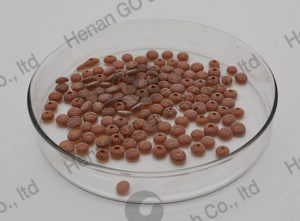
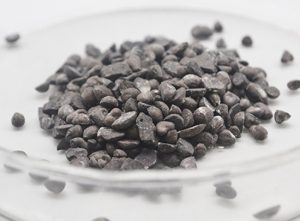
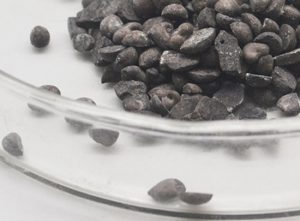
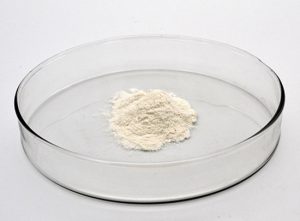
In the technical world of rubber compounding, protecting finished matrices from degradation caused by heat, oxygen, and harmful heavy metals is paramount to expanding shelf life. Rubber Antioxidant MMBZ (also known globally as ZMTI) is a premium, non-staining heterocyclic chemical protector. Chemically classified as Zinc 2-mercaptomethylbenzimidazole (CAS No. 61617-00-3), MMBZ acts as an elite secondary antioxidant. By decomposing hydroperoxides and deactivating trace metal catalysts, it offers superb synergy with primary antioxidants (such as hindered phenols or amine compounds) to build unparalleled thermal aging stability.
Technical Product Specifications
| Property / Parameter | Standard Specification |
|---|---|
| Chemical Name | Zinc 2-mercaptomethylbenzimidazole (ZMTI / MMBZ) |
| CAS Number | 61617-00-3 |
| Molecular Formula | C16H14N4S2Zn |
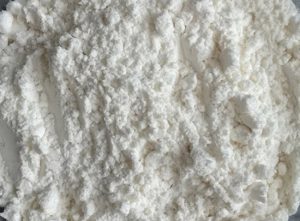
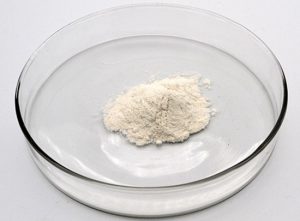
| Appearance | White or off-white powder / fine micro-granules |
| Zinc Content (%) | 10.0% – 12.0% |
| Loss on Drying (%) | ≤ 0.50% |
| Soluble Zinc Salts (%) | ≤ 0.50% |
Why Choose Our MMBZ (ZMTI) Antioxidant?
- ✓ Elite Non-Staining Character: MMBZ preserves the visual aesthetic of clear, translucent, white, and bright color rubber items without risking standard phenolic discoloration or blooming problems.
- ✓ Outstanding Copper Inhibitor: Due to its zinc-chelated heterocyclic backbone, MMBZ effectively targets and deactivates trace copper ions, making it an essential additive to combat metal-catalyzed oxidation.
- ✓ Powerful Secondary Synergy: When formulated alongside primary amine or phenolic antioxidants, it generates a profound system response that provides extreme anti-reversion and thermal heat-aging defenses.
Primary Applications
MMBZ is extensively utilized in natural rubber (NR), styrene-butadiene rubber (SBR), nitrile rubber (NBR), and ethylene propylene diene monomer (EPDM) compounding matrices:
Wire & Cable Insulation
Highly recommended for copper conductor insulation layouts, electrical jackets, and high-voltage transmission cable sheets requiring protection from metal poisoning.
Automotive & Industrial Parts
Excellent choice for thermal resistant heat hoses, seals, under-hood weatherstrips, engine pads, and custom industrial gaskets.
Bright Consumer & Latex Products
Perfect for light-colored sportswear shoe outsoles, medical elastic tapes, colorful rubber threads, and high-clarity dipping latex items.
Quality Assurance & Global Compliance
As a leading global partner in industrial chemical manufacturing, we understand that substance purity, molecular consistency, and strict regulatory tracking directly safeguard your production line metrics. Our advanced production units maintain rigorous quality benchmarks to ensure total confidence across all international markets:
- Advanced Laboratory Quality Control: Every commercial batch of our Antioxidant MMBZ (ZMTI) passes rigorous testing protocols—including complex complexometric titration for precise zinc content verification, ash testing, and thermal gravimetric evaluations—ensuring absolute matrix uniformity and zero performance variance in your compounding plant.
- Comprehensive International Regulatory Compliance: We maintain a highly proactive approach to global chemical governance. All export shipments are systematically backed by complete regulatory documentation, including comprehensive multilingual GHS Safety Data Sheets (SDS), certificates of analysis (CoA), and tracking structures fully matching EU REACH and US TSCA parameters.
- Optimized Packaging & Workspace Safety: To lower material handling loss and eliminate airborne dust cross-contamination on your factory floor, we offer tailored logistics configurations. This includes standard multi-wall moisture-resistant paper bags (25kg), heavy bulk jumbo supersacks (FIBCs), and dust-controlled granule grades suited for automatic weighing systems.
⚠ Storage & Handling Guidelines
Maintaining correct climate-controlled conditions is essential to protect the molecular performance stability of Antioxidant MMBZ (ZMTI). Because it is a zinc-chelated heterocyclic compound, sub-optimal storage can encourage moisture buildup, leading to material caking and reduced chemical uniformity during industrial mixing cycles.
- • Environmental Controls: Store the chemical inside a completely dry, cool, and well-ventilated dedicated warehouse. Ensure that storage racks remain isolated from direct solar heating, steam pipes, open flame hazards, and strong acidic raw materials.
- • Sealing Management: Keep all industrial bags completely tied and undamaged during processing. Partially consumed packaging elements must be mechanically re-sealed immediately to minimize exposure to indoor workshop humidity.
- • Shelf Life & Rotation: Under standard cool, shaded warehouse conditions, our premium MMBZ exhibits a certified shelf life of 24 months from the date of manufacture. A strict First-In, First-Out (FIFO) batch cycle is strongly advised to maximize production uniformity.
Frequently Asked Questions
What is the core technical difference between MMBZ (ZMTI) and MBZ (ZMBi)? +
Why is MMBZ preferred over standard antioxidants for electrical copper wire coatings? +
Does MMBZ (ZMTI) affect the compound’s vulcanization rate or curing behavior? +
Partner with a Reliable Chemical Supplier
We provide premium-grade Rubber Antioxidant MMBZ (ZMTI) carefully formulated to meet international technical benchmarks. Available in high-purity fine powder and custom dust-free configurations to ensure absolute batch precision inside your industrial mixing environment.