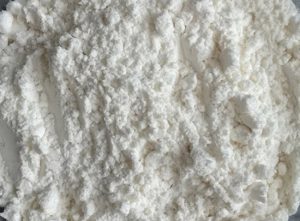
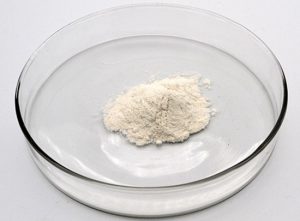
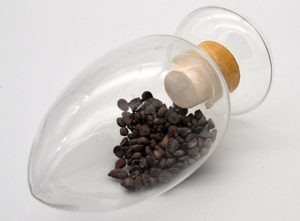
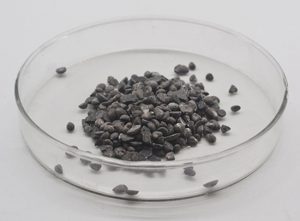
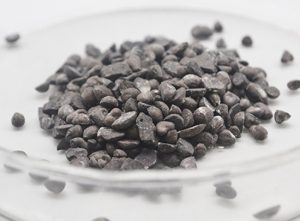
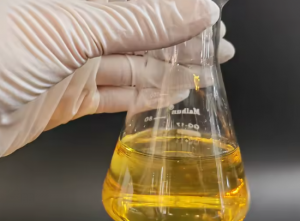
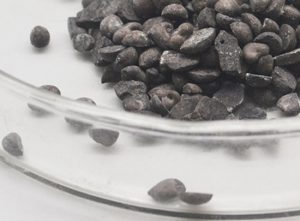
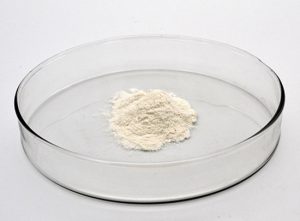
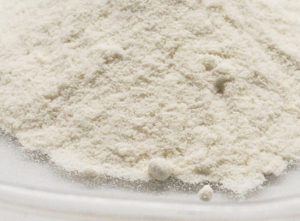
In high-performance compounding and heavy-duty tire manufacturing, maintaining the cross-link network’s integrity under persistent thermal stress is vital to prevent catastrophic material failure. Rubber Antioxidant TMQ (universally recognized in B2B markets as Antioxidant RD) serves as a standard secondary amine protective agent. Chemically identified as Polymerized 2,2,4-trimethyl-1,2-dihydroquinoline (CAS No. 26780-96-1), TMQ manifests as an amber-to-brown resinous pastille. Due to its oligomeric profile, it delivers high molecular weight, exceptionally low volatility, and slow migration behaviors, making it an indispensable anti-aging baseline across global radial tire and technical rubber manufacturing tracks.
Technical Product Specifications
| Property / Parameter | Standard Specification |
|---|---|
| Chemical Name | Polymerized 2,2,4-trimethyl-1,2-dihydroquinoline (TMQ / RD) |
| CAS Number | 26780-96-1 |
| Appearance | Amber to light brown resinous pastilles / flakes |
| Softening Point (°C) | 80.0 °C – 100.0 °C |
| Heating Loss (%) | ≤ 0.30% |
| Ash Content (%) | ≤ 0.30% |
Why Choose Our TMQ (RD) Antioxidant?
- ✓ Sustained High-Temperature Stability: Features low volatility and deep polymer chain compatibility, allowing it to withstand long-term extreme heat oxidation cycles without blooming.
- ✓ Catalytic Metal Deactivation: Highly proficient at binding trace copper, manganese, and other harmful structural metal impurities to suppress catalyzed oxidative polymer cleavage loops.
- ✓ No Cure Interference: Blends harmoniously with thiazole or sulfenamide primary accelerators, keeping scorch metrics and vulcanization parameters fully stable.
Primary Applications
Antioxidant TMQ is widely integrated across Natural Rubber (NR), Styrene-Butadiene Rubber (SBR), Polybutadiene Rubber (BR), and Nitrile Rubber (NBR) matrices:
Tire Manufacturing
An optimal choice for passenger car radials, heavy truck tire treads, carcass wires, inner liner batches, and aggressive OTR tread compounding zones.
Heavy Industrial Belting & Hoses
Secures core anti-aging integrity in demanding mining conveyor belts, automotive timing chains, fluid transmission hoses, and thick engine mounts.
Wire, Cable & Injection Goods
Selected for continuous vulcanization electrical jackets, flexible high-voltage insulation sheathing, and high-wear molded industrial goods.
Quality Assurance & Global Compliance
As a leading global partner in industrial chemical manufacturing, we understand that raw material purity, molecular consistency, and strict regulatory tracking directly safeguard your production line metrics. Our advanced manufacturing facilities maintain rigorous quality configurations to ensure total compliance and confidence across all international markets:
- Advanced Laboratory Quality Control: Every commercial batch of our Antioxidant TMQ (RD) passes through extensive laboratory verification protocols—including capillary softening point mapping, high-performance liquid chromatography (HPLC) oligomer distribution checks, and heating loss monitoring—ensuring uniform plant performance.
- Comprehensive International Regulatory Compliance: We maintain a highly proactive approach to global chemical governance. All export shipments are systematically backed by complete regulatory documentation, including up-to-date, comprehensive multilingual GHS Safety Data Sheets (SDS), detailed Certificates of Analysis (CoA), and official tracking credentials fully matching EU REACH and US TSCA parameters.
- Optimized Packaging & Clean Workspace: To eliminate material handling loss and avoid airborne dust cross-contamination on your factory floor, we offer clean logistics formats. Our free-flowing pastilles are supplied in standard multi-wall moisture-resistant kraft paper bags (25kg) lined with protective PE film or massive bulk jumbo supersacks (FIBCs).
⚠ Storage & Handling Guidelines
Maintaining correct warehouse climate parameters is vital to maintain the active purity and performance parameters of Antioxidant TMQ. Because resinous quinoline structures can slowly fuse or form hard blocks if exposed to prolonged moisture tracks or severe compaction under heat, proper warehousing protocols protect your compounding stocks.
- • Warehouse Climate Control: Keep the chemical stock packages allocated inside cold, completely dark, and dry warehouse environments. Ensure storage points stay isolated from moisture footprints, direct solar exposure, dynamic steam ducts, or heat vents.
- • Sealing & Hardening Preventions: Keep all paper bags tightly sealed until active dry weighing takes place. Refrain from configuring heavy multiple pallet layers to avoid mass lump-caking hazards over high summer thermal periods.
- • Shelf Life Strategy: Under clean, temperature-controlled sealed environments, our industrial TMQ products possess a certified shelf life of 24 months from the manufacturing date. Emphasizing a continuous First-In, First-Out (FIFO) pipeline is recommended.
Frequently Asked Questions
Why is TMQ (RD) frequently blended with 6PPD in tire compounding configurations? +
Does Antioxidant TMQ cause aesthetic contact staining or surface discoloration? +
What is the typical recommended dosage window for TMQ across standard formulations? +
Partner with a Reliable Chemical Supplier
We provide premium-grade Rubber Antioxidant TMQ (RD) carefully processed to meet international technical benchmarks. Available in free-flowing resinous pastilles and high-purity flakes to ensure absolute batch precision inside your industrial mixing environment.