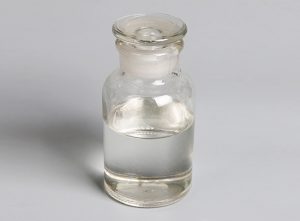
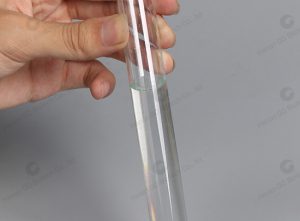
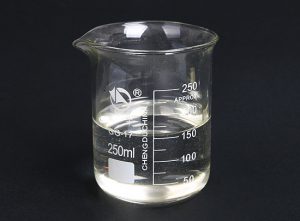
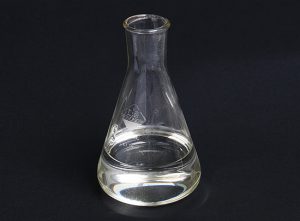
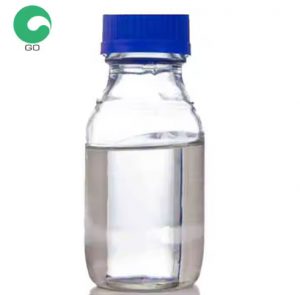
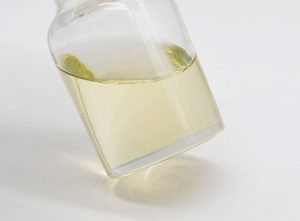
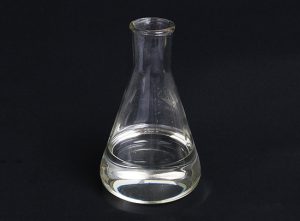
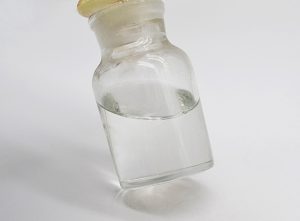
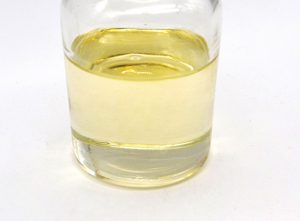
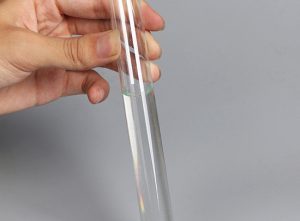
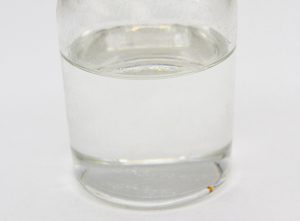
In modern polymer compounding, medical elastomer engineering, and regulated consumer manufacturing, transitioning to sustainable raw materials without compromising physical flexibility is a major operational target. Acetyl Tributyl Citrate (universally prioritized in global green procurement as ATBC) operates as a leading bio-base, phthalate-free primary plasticizer. Chemically derived from natural citric acid fermentation pathways (CAS No. 77-90-7), ATBC is a clear, water-white, practically odorless liquid. Thanks to its superb toxicological profile and excellent compatibility with polar matrices like PVC, polyurethane, and nitrile rubbers, ATBC stands as the industry-trusted choice to replace restricted ortho-phthalates (like DOP, DBP, and DIBP) in high-compliance formulations.
Technical Product Specifications
| Property / Parameter | Standard Specification (Premium Grade) |
|---|---|
| Chemical Name | Acetyl Tributyl Citrate (ATBC) |
| CAS Number | 77-90-7 |
| Molecular Formula | C20H40O8 |
| Assay / Active Purity (%) | ≥ 99.5% |
| Color (APHA / Pt-Co) | ≤ 30 max |
| Density (g/cm³ at 20°C) | 1.045 – 1.055 g/cm³ |
| Acidity (as Citric Acid, %) | ≤ 0.02% |
| Flash Point (°C, Open Cup) | ≥ 204 °C |
Why Choose Our ATBC Plasticizer?
- ✓ Non-Toxic and Biocompatible Profile: Completely free of ortho-phthalate structures, fully matching the global regulatory demands of EU REACH Annex XIV, US FDA food-contact mandates, and strict medical-grade parameters.
- ✓ Superior Melt Fluidity and Wetting: Its localized ester network reduces polymer internal viscosity, optimizing pigment wetness, compounding output, and surface leveling traits during thermal processing.
- ✓ Excellent Light and Heat Weathering: Exhibits notable resistance to solar yellowing and thermal extraction loops, ensuring modified elastomers stay soft and elastic without brittle cracking.
Primary Applications
Phthalate-free ATBC is extensively formulated into high-compliance vinyl coatings, medical elastomers, and food-grade packaging films:
Medical Devices & Care Products
The industry benchmark plasticizer for non-toxic medical tubing, blood storage bags, respiratory masks, surgical gloves, and clear pharmaceutical components.
Food-Contact Packaging & Toys
Extensively selected for clear food-wrap films, beverage caps, soft children’s toys, pacifiers, and consumer health elements requiring absolute chemical neutrality.
Nitrile & Polyurethane Modification
Used in polar rubbers like NBR, PU, and acrylic coatings to decrease compounding friction, improve cold weather flex, and serve as an eco-friendly carrier matrix.
⚠ Storage & Handling Guidelines
Maintaining correct warehouse climate parameters is vital to protect the active ester purity and excellent water-white clarity of Acetyl Tributyl Citrate (ATBC). Although it possesses outstanding chemical stability and a high flash point, its bio-based ester bonds can undergo slow hydrolysis if exposed to prolonged moisture tracks, impacting its acid value and performance metrics.
- • Warehouse Climate Control: Store all liquid drums, IBC totes, or bulk storage tanks within a thoroughly cool, dry, and well-ventilated dedicated warehouse footprint. Keep storage rows completely isolated from direct sunlight, open flames, steam pipes, or heating grids.
- • Airtight Sealing Management: Ensure all container bungs, valves, and caps are tightly resealed immediately after any dispensing or sampling operations. Keeping containers hermetically sealed prevents ambient humidity absorption and safeguards the low-acidity quality of the ester.
- • Shelf Life & Rotation Strategy: Under clean, temperature-controlled, and sealed environment parameters, our premium ATBC plasticizer carries a certified shelf life of 24 months from the date of manufacture. Adhering to a strict First-In, First-Out (FIFO) material rotation system is recommended.
Frequently Asked Questions
Is ATBC a direct drop-in replacement for DOP in medical PVC tubing formulations? +
How does ATBC behave regarding migration and extraction in food-contact films? +
What is the typical dosage window for ATBC in environmental rubber compounding? +
Partner with a Reliable Chemical Supplier
We provide premium-grade, phthalate-free Acetyl Tributyl Citrate (ATBC) plasticizer carefully processed to meet international technical benchmarks. Available in high-purity liquid drums, IBC totes, and bulk ISO tanks to ensure absolute processing precision inside your polymer mixing environment.