In extreme industrial environments where rubber components must endure sub-zero temperatures without freezing or cracking, standard plasticizers inevitably reach their functional limits. Dioctyl Sebacate (universally recognized in B2B chemical procurement as DOS) stands as the industry gold standard for elite low-temperature performance. Chemically classified as a linear dibasic acid ester (CAS No. 122-62-3), DOS possesses a flexible sebacate backbone that effectively disrupts polymer chain alignment. This yields exceptional glass transition temperature (Tg) depression in polar elastomers, ensuring that heavy-duty hoses, seals, and aerospace components maintain critical flexibility and sealing properties under severe arctic or deep-space thermal profiles.
Technical Product Specifications
| Property / Parameter | Standard Specification |
|---|---|
| Chemical Name | Dioctyl Sebacate / Bis(2-ethylhexyl) sebacate (DOS) |
| CAS Number | 122-62-3 |
| Molecular Formula | C26H50O4 |
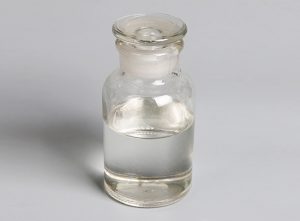
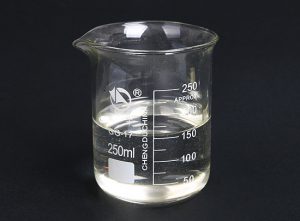
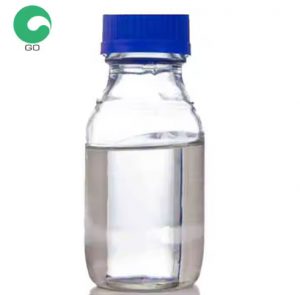
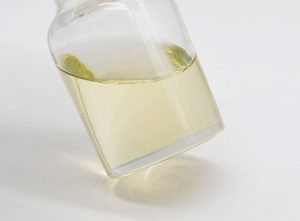
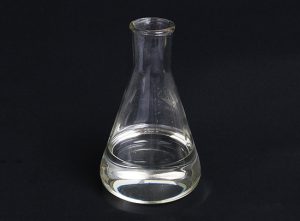
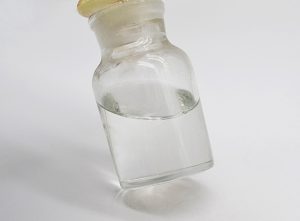
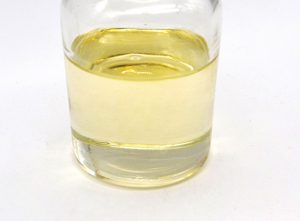
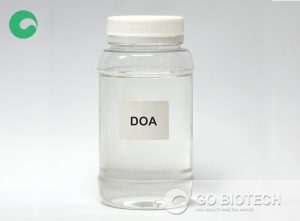
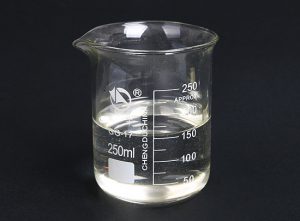
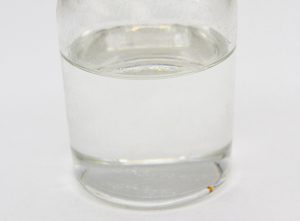
| Appearance | Clear, colorless to light-straw transparent liquid |
| Assay / Purity (%) | ≥ 99.0% |
| Acid Value (mg KOH/g) | ≤ 0.10 |
| Flash Point (°C) | ≥ 215 °C |
| Density (20°C, g/cm³) | 0.912 – 0.920 g/cm³ |
Why Choose Our DOS Plasticizer?
- ✓ Unmatched Low-Temperature Flexibility: DOS delivers unparalleled glass transition temperature (Tg) depression, ensuring that cured rubber networks preserve elastic elongation and dynamic seal integrity down to -60°C and below.
- ✓ Low Volatility & High Heat Stability: Boasting an exceptionally high flash point and structural stability, DOS minimizes outgassing and evaporation losses during high-temperature vulcanization stages or intense thermal service cycles.
- ✓ Superior Resistance to Environmental Aging: Its chemically optimized aliphatic chain profile exhibits remarkable resistance to weathering, ozone attack, and ultraviolet deterioration, drastically expanding the outdoor lifetime of flexible rubber goods.
Primary Applications
Dioctyl Sebacate (DOS) is premium-formulated across a broad array of synthetic elastomers, notably Nitrile Rubber (NBR), Chloroprene Rubber (CR), Polyvinyl Chloride (PVC) resins, Chlorosulfonated Polyethylene (CSM), and polyacrylate networks:
Aerospace & Military Seals
Extensively selected for military aviation gaskets, hydraulic O-rings, and cryogenic fuel seal systems where structural failure from low-temperature hardening is not an option.
Arctic Fuel & Hydraulic Hoses
An ideal choice for outdoor oil-field pipelines, heavy-duty automotive fuel lines, and naval hydraulic hoses operating in sub-zero marine or polar geographic zones.
High-Spec Cable & Webbing
Formulated inside protective electrical outer jacketing for extreme environments, heavy outdoor conveyor belt sheets, and specialized technical rubber components.
⚠ Storage & Handling Guidelines
Protecting the low moisture threshold and ultra-low acid profile of high-purity Dioctyl Sebacate is vital to ensuring premium compounding results. Because high ester chains are inherently hygroscopic and can undergo minor hydrolysis over extended atmospheric exposure, proper container containment must be enforced.
- • Atmospheric and Temperature Controls: Store DOS stock lots inside dry, well-ventilated indoor warehouses. Keep storage coordinates away from high-temperature process pipes, radiant space heaters, or any prospective localized sparks.
- • Moisture Avoidance Policies: Keep all drum closures and transfer pump connections tightly sealed when not dispensing fluid. Air exposure must be systematically limited to prevent moisture absorption and subsequent elevation of the acid value.
- • Certified Storage Lifespan: Preserved under optimal, undisturbed factory-sealed warehouse configurations, our commercial DOS plasticizer retains a certified shelf life of 24 months from the manufacturing date. Practicing an active FIFO flow model is highly advised.
Frequently Asked Questions
How does DOS compare to DOZ (Dioctyl Azelate) or DOA (Dioctyl Adipate) for low-temp usage? +
What are the typical addition thresholds for DOS in Nitrile (NBR) recipes? +
Does DOS exhibit strong extraction resistance when contacting industrial fuels? +
Partner with a Reliable Chemical Supplier
We provide premium-grade Dioctyl Sebacate (DOS) carefully processed to meet international technical benchmarks. Available in uniform, high-purity liquid lots and customizable commercial packaging configurations to ensure absolute batch precision inside your industrial mixing environment.