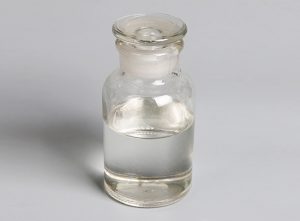
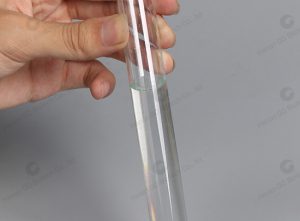
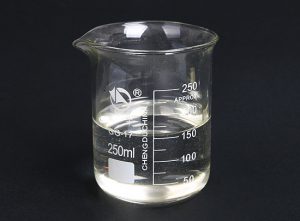
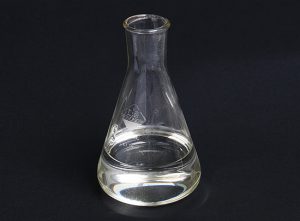
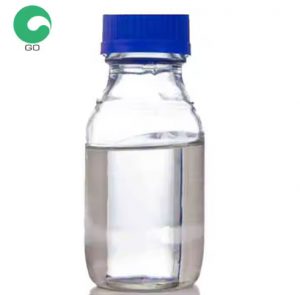
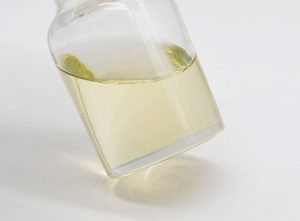
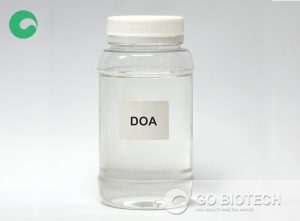
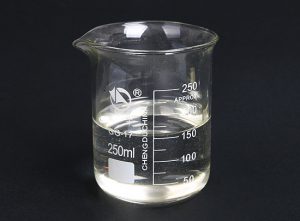
In the evolving landscape of sustainable polymer modification, medical-grade compounding, and strict food-contact regulations, finding functional alternatives to traditional ortho-phthalate plasticizers is paramount. Epoxidized Soybean Oil (universally recognized in industrial sourcing networks as ESBO) stands as a premier bio-based secondary plasticizer and synergy stabilizer. Chemically derived from the oxidation of natural soybean oil using organic peroxides (CAS No. 8013-07-8), ESBO is a yellow-tinted to clear, viscous liquid. Thanks to the highly reactive oxirane (epoxy) rings embedded along its natural fatty acid chains, ESBO does more than just lubricate polymer matrices—it acts as an effective acid scavenger, trapping degrading hydrogen chloride (HCl) gas to drastically enhance the thermal and UV lifespan of polar plastics and rubbers.
Technical Product Specifications
| Property / Parameter | Standard Specification (Premium Grade) |
|---|---|
| Chemical Name | Epoxidized Soybean Oil (ESBO) |
| CAS Number | 8013-07-8 |
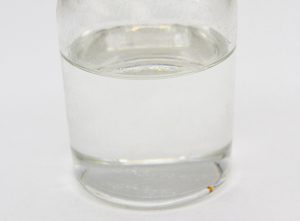
| Appearance | Light yellow transparent viscous liquid |
| Oxirane Oxygen Value (%) | ≥ 6.6% |
| Iodine Value (%) | ≤ 5.0% |
| Color (Pt-Co / APHA) | ≤ 150 max |
| Acid Value (mg KOH/g) | ≤ 0.50 |
| Flash Point (°C, Open Cup) | ≥ 280 °C |
Why Choose Our ESBO Plasticizer?
- ✓ Dual Plasticization & Co-Stabilization: Serves as an efficient internal lubricant while offering structural stabilization by neutralizing degradation acids generated during extreme high-shear manufacturing.
- ✓ Extremely Low Volatility & Extraction Resistance: Its large triglyceride molecular weight yields incredible boiling stability and resistance to solvent extraction, ensuring long-term matrix hold.
- ✓ Eco-Friendly & Fully Compliant Chemistry: 100% ortho-phthalate free and derived from renewable agricultural resources, completely satisfying EU REACH, US FDA food-contact standards, and strict toy parameters.
Primary Applications
Phthalate-free ESBO is globally formulated within flexible polyvinyl chloride (PVC) stocks, food wrapper films, and polar synthetic elastomer recipes:
Food-Grade Films & Gaskets
An absolute industry standard for transparent food wrap sheets, PVC jar lid sealing rings, beverage container cap liners, and agricultural sheet skins.
Nitrile (NBR) & CR Rubber Modification
Formulated into polar elastomers to lower Mooney viscosity, reduce mill friction, and provide a strong non-phthalate secondary matrix stabilizer for industrial seals.
Medical Profiles & Children’s Toys
Selected for non-toxic medical tubing arrays, blood storage bags, flexible catheters, clear children’s toys, and consumer wellness configurations.
⚠ Storage & Handling Guidelines
Maintaining appropriate warehouse climate parameters is vital to protect the active oxirane oxygen percentage and clear color of Epoxidized Soybean Oil (ESBO). Although it possesses an exceptionally high flash point and remarkable thermal stability, prolonged exposure to cold winter temperatures can increase its viscosity, and ambient moisture ingress can lead to slow hydrolysis.
- • Warehouse Climate Control: Store all liquid drums, IBC totes, or bulk tanks within a thoroughly cool, dry, and well-ventilated dedicated warehouse footprint. Keep storage rows completely isolated from direct sunlight, open flames, steam pipes, or heating grids.
- • Airtight Sealing & Viscosity Management: Ensure all container bungs, valves, and caps are tightly resealed immediately after any dispensing or sampling operations. Note that ESBO liquid naturally thickens in freezing weather; gentle fluid jacket warming below 40°C restores easy pumping flow without harming the epoxy chemical bonds.
- • Shelf Life & Rotation Strategy: Under clean, temperature-controlled, and sealed environment parameters, our premium ESBO plasticizer carries a certified shelf life of 24 months from the date of manufacture. Adhering to a strict First-In, First-Out (FIFO) material rotation system is recommended.
Frequently Asked Questions
Why is ESBO described as both a secondary plasticizer and a co-stabilizer? +
How does ESBO prevent migration and extraction in sensitive B2B target compounds? +
What is the typical recommended blending ratio for ESBO in flexible PVC and rubbers? +
Partner with a Reliable Chemical Supplier
We provide premium-grade, phthalate-free Epoxidized Soybean Oil (ESBO) plasticizer carefully processed to meet international technical benchmarks. Available in high-purity liquid drums, IBC totes, and bulk ISO tanks to ensure absolute processing precision inside your polymer mixing environment.