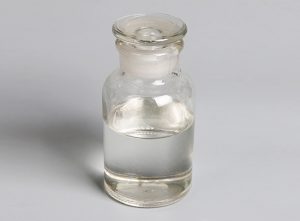
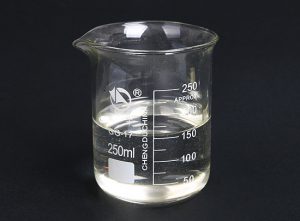
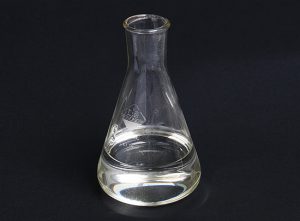
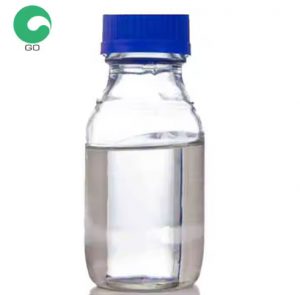
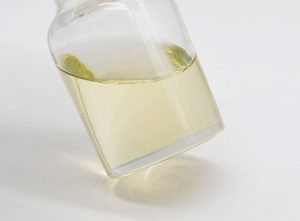
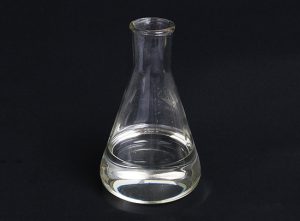
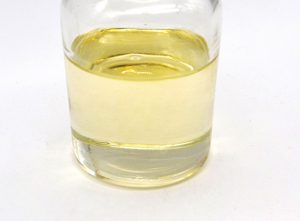
In modern elastomer modification, green vinyl processing, and environmentally regulated polymer compounding, transitioning to sustainable agricultural raw materials without sacrificing product durability is a core manufacturing focus. Epoxy Fatty Acid Methyl Ester (universally known in industrial procurement networks as EFAME) stands as an innovative bio-based secondary plasticizer and synergy co-stabilizer. Chemically derived from the epoxidation of natural vegetable oils (CAS No. 77-90-7 / 68082-35-9), EFAME is a clear, light yellow, low-viscosity liquid. Characterized by its highly reactive oxirane oxygen content, EFAME provides valuable secondary stabilizing properties by scavenging degrading hydrogen chloride (HCl) gas, significantly boosting the thermal and UV lifespan of polar polymers while offering an exceptional economic advantage over traditional phthalate plasticizers.
Technical Product Specifications
| Property / Parameter | Standard Specification (Premium Grade) |
|---|---|
| Chemical Name | Epoxy Fatty Acid Methyl Ester (EFAME) |
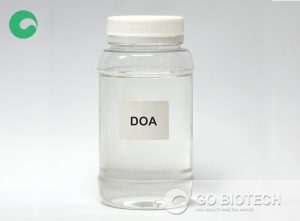
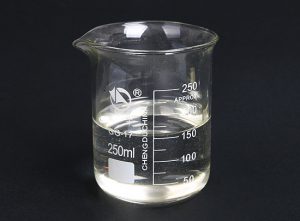
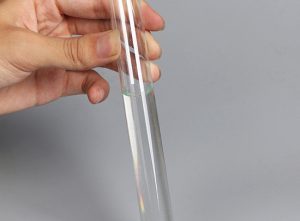
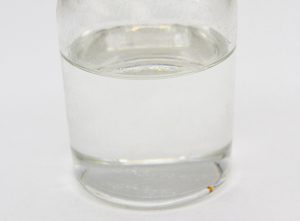
| Appearance | Light yellow transparent liquid |
| Oxirane Oxygen Value (%) | ≥ 4.5% |
| Iodine Value (%) | ≤ 6.0% |
| Color (Pt-Co / APHA) | ≤ 120 max |
| Acid Value (mg KOH/g) | ≤ 0.50 |
| Flash Point (°C, Open Cup) | ≥ 180 °C |
Why Choose Our EFAME Plasticizer?
- ✓ Remarkable Processing Fluidity: Its low native viscosity and short-chain ester structures allow superior pigment dispersion, excellent filler wetting, and rapid internal solvation, lowering extruder back-pressure.
- ✓ Excellent Low-Temperature Flexibility: Substantially depresses the glass transition temperature (Tg) of vinyl compounds, keeping flexible profiles soft and resistant to brittle cracking in cold climates.
- ✓ Phthalate-Free Regulatory Alignment: Formulated completely free of ortho-phthalate ring configurations, satisfying modern compliance benchmarks such as EU REACH, US EPA TSCA, and diverse consumer product regulations.
Primary Applications
Phthalate-free EFAME is widely utilized within commercial flexible PVC formulations, synthetic rubber processing, and plastic manufacturing sectors:
PVC Films, Sheets & Footwear
Extensively applied as a high-efficiency secondary plasticizer in calendered agricultural films, soft floor tiles, soft leather skins, shoe outsoles, and flexible injection-molded goods.
Nitrile (NBR) & CR Rubber Compounding
Incorporated into polar synthetic elastomers to reduce compound Mooney viscosity, ease open-mill processing, and enhance low-temperature properties for non-critical industrial seals.
Wire, Cable & Cellular Plastisols
Acts as an ideal low-viscosity viscosity depressant in PVC wallpaper plastisols, foaming sealants, and cost-effective electrical jacketing compounds.
⚠ Storage & Handling Guidelines
Maintaining proper warehouse climate parameters is vital to protect the active oxirane oxygen value and clear appearance of Epoxy Fatty Acid Methyl Ester (EFAME). Because its bio-based monoester chains are relatively fluid and interactive compared to bulkier triglycerides, protecting containers from high ambient humidity and prolonged exposure to open air prevents hydrolytic acid development and potential cloudiness.
- • Warehouse Climate Control: Store all liquid drums, IBC totes, or bulk tanks within a thoroughly cool, dry, and well-ventilated dedicated warehouse location. Keep storage corridors completely isolated from direct sunlight, heating lines, steam grids, or open flames.
- • Airtight Sealing Management: Ensure all container bungs, container valves, and caps are tightly resealed immediately after any sampling or dispensing operations. Keeping containers hermetically sealed limits humidity absorption and keeps the compound acid values within premium boundaries.
- • Shelf Life & Rotation Strategy: Under clean, temperature-controlled, and sealed environment parameters, our premium EFAME plasticizer carries a certified shelf life of 12 months from the date of manufacture. Adhering to a strict First-In, First-Out (FIFO) material rotation system is recommended.
Frequently Asked Questions
What is the functional difference between EFAME and ESBO in polymer processing? +
Can EFAME be used as a primary standalone plasticizer in flexible rubber or PVC? +
How does the acid-scavenging stabilization mechanism of EFAME operate? +
Partner with a Reliable Chemical Supplier
We provide premium-grade, phthalate-free Epoxy Fatty Acid Methyl Ester (EFAME) plasticizer carefully processed to meet international technical benchmarks. Available in high-purity liquid drums, IBC totes, and bulk ISO tanks to ensure absolute processing precision inside your polymer mixing environment.