In the modern industrial rubber compounding landscape, manufacturers are increasingly pressed to find viable balances between cost reduction, eco-friendly profiles, and strict processing safety. Chlorinated Fatty Acid Methyl Ester (universally recognized in B2B chemical procurement as CFAME) represents a breakthrough green alternative plasticizer derived from natural vegetable oils. By incorporating a stable chlorine matrix into an ester molecular chain, CFAME functions both as a highly effective secondary plasticizer and a flame-retardant synergist. It offers low volatility, superior cross-linking compatibility, and a seamless path to phasing out hazardous ortho-phthalates across diverse synthetic and natural elastomer compounds.
Technical Product Specifications
| Property / Parameter | Standard Specification |
|---|---|
| Chemical Name | Chlorinated Fatty Acid Methyl Ester (CFAME) |
| CAS Number | 68990-52-3 |
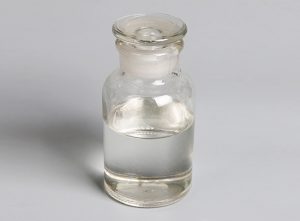
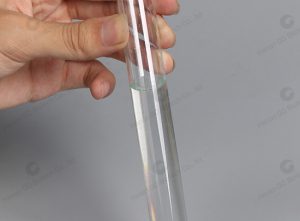
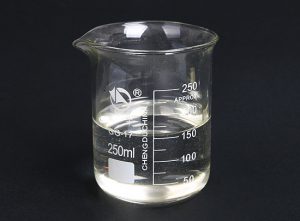
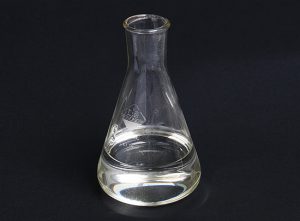
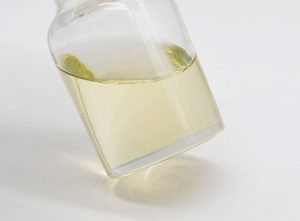
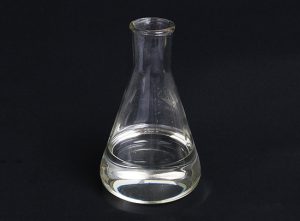
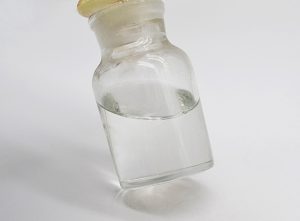
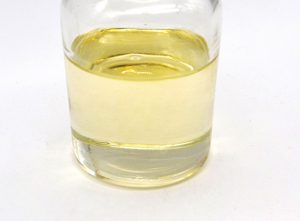
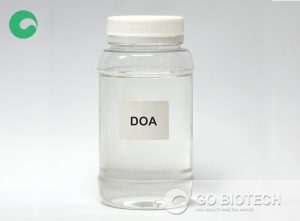
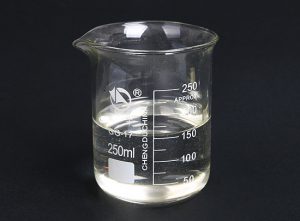
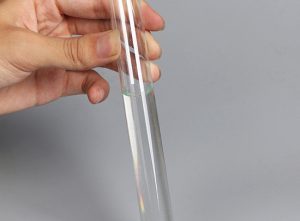
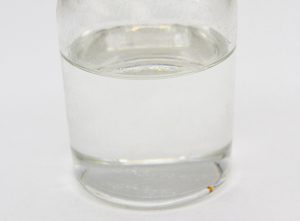
| Appearance | Clear, transparent to light-yellow viscous liquid, no suspended solids |
| Chlorine Content (%) | 30% – 45% (Customizable by Grade) |
| Acid Value (mg KOH/g) | ≤ 0.50 |
| Flash Point (°C) | ≥ 185 °C |
| Density (20°C, g/cm³) | 1.05 – 1.15 g/cm³ |
| Heating Loss (%) | ≤ 1.0% (105°C, 2h) |
Why Choose Our CFAME Plasticizer?
- ✓ Sustainable Bio-Based Composition: Derived fundamentally from natural fatty acid feedstocks, CFAME offers an eco-friendly alternative that significantly decreases carbon footprints compared to conventional petroleum-derived plasticizers.
- ✓ Excellent Phthalate-Substitution Economics: It can partially substitute high-cost primary plasticizers like DOTP, DINP, or DBP in rubber matrices. This optimization reduces raw material expenses while preserving robust mechanical profiles.
- ✓ Enhanced Flame Suppression & Softening: The integrated chlorine components act synergistically to boost fire resistance across polar polymers, while the ester structural chain guarantees high Mooney viscosity reduction and exceptional low-temperature flow characteristics.
Primary Applications
CFAME plasticizer behaves with superior molecular affinity when formulated across Natural Rubber (NR), Nitrile Rubber (NBR), Chloroprene Rubber (CR), Polyvinyl Chloride/Nitrile (PVC/NBR) blends, and diverse synthetic masterbatches:
Industrial Conveyor Belts
Extensively selected for mine-safety conveyor belting systems, driving gears, and heavy industrial tracking lines requiring stringent flame-retardant parameters.
Automotive Hoses & Oil Seals
An ideal selection for dynamic fluid lines, flexible hydraulic hoses, automotive wire jackets, and weather-resistant industrial structural gaskets.
Eco-Friendly Rubber Goods
Formulated heavily inside non-hazardous consumer sheets, anti-fatigue floor mats, shoe soles, and technical molded elements targeting Western markets.
⚠ Storage & Handling Guidelines
Maintaining correct warehouse climate parameters is vital to maintain the active purity and performance parameters of CFAME. Because bio-based ester matrices can interact with moisture ingress or undergo slow oxidation under prolonged thermal exposure, adhering to clean storage profiles protects your compounding stocks.
- • Climate & Exposure Management: Preserve all storage containers inside cool, dry, and perfectly ventilated indoor zones. Keep chemical storage networks completely isolated from hot steam valves, open flames, and direct solar exposure.
- • Moisture and Sealing Measures: Ensure all container caps and air venting lines remain tightly sealed until active compounding or pumping occurs. Moisture prevention safeguards against slow ester hydrolysis and breakdown.
- • Certified Storage Lifespan: Under stable, un-opened temperature-controlled warehouse conditions, our commercial CFAME products possess a verified shelf life of 12 months from the manufacturing date. Implementing a First-In, First-Out (FIFO) pipeline is recommended.
Frequently Asked Questions
What is the optimal substitution ratio of CFAME for primary plasticizers? +
How does CFAME improve the flame-retardant performance of rubber goods? +
Does CFAME cause any migration or exudation over prolonged periods? +
Partner with a Reliable Chemical Supplier
We provide premium-grade Chlorinated Fatty Acid Methyl Ester (CFAME) carefully processed to meet international technical benchmarks. Available in uniform, eco-friendly liquid lots and customizable commercial packaging configurations to ensure absolute batch precision inside your industrial mixing environment.