In global industrial rubber manufacturing and high-performance compounding networks, achieving predictable processing stability while optimizing production costs is vital to remaining competitive. Chlorinated Paraffin 52 (universally recognized in B2B procurement markets as CP-52) stands as a premier secondary plasticizer and critical flame retardant synergist. Chemically classified as a chlorinated hydrocarbon with a balanced 52% chlorine content, CP-52 offers excellent compatibility with polar elastomers and polymer networks. Upon integration, it reduces compound viscosity and inter-chain friction to deliver a highly uniform, low-torque extrusion profile, ensuring superior physical flexibility and structural durability across heavy-duty rubber goods and diverse industrial matrix systems.
Technical Product Specifications
| Property / Parameter | Standard Specification |
|---|---|
| Chemical Name | Chlorinated Paraffin 52 (CP-52) |
| CAS Number | 63449-39-8 / 85535-85-9 |
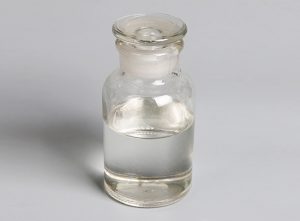
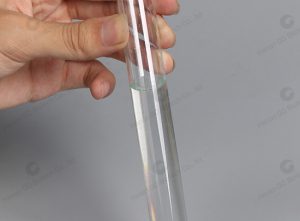
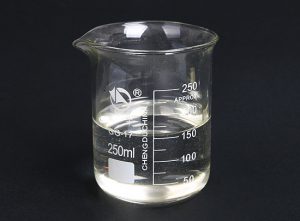
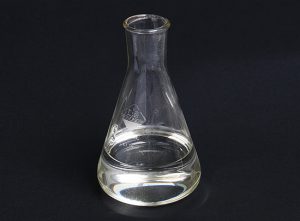
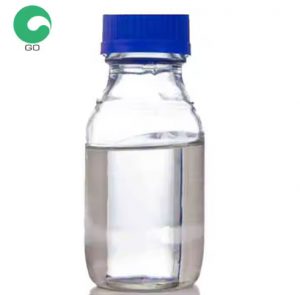
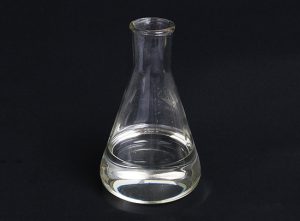
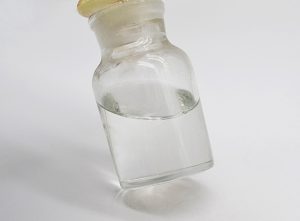
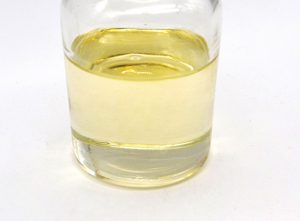
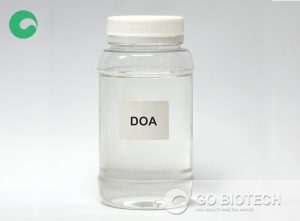
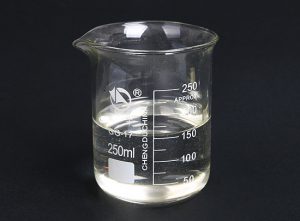
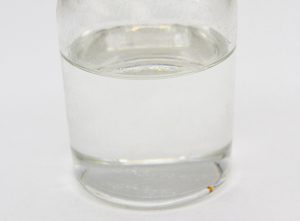
| Appearance | Clear, yellowish viscous liquid, free from visible impurities |
| Chlorine Content (%) | 52% ± 2% |
| Density (25°C, g/cm³) | 1.23 – 1.27 g/cm³ |
| Viscosity (25°C, Pa·s) | 1.5 – 2.5 Pa·s |
| Refractive Index (20°C) | 1.505 – 1.515 |
| Thermal Stability (175°C, 4h, HCl %) | ≤ 0.10% |
Why Choose Our CP-52 Plasticizer?
- ✓ Substantial Production Cost Savings: CP-52 efficiently serves as a highly economical secondary plasticizer, allowing manufacturers to partially replace expensive primary plasticizers like DOTP or premium polymerics without sacrificing compound integrity.
- ✓ Inherent Flame Retardant Synergy: Featuring a highly stable 52% chlorine content, it functions as an exceptional radical scavenger during combustion, building a robust self-extinguishing barrier when paired with antimony trioxide.
- ✓ Optimized Processing and Flow: Drastically reduces internal compound viscosity and mixing torque within the Banbury mixer, facilitating smoother extrusion processes, uniform mold-filling, and faster line outputs.
Primary Applications
Chlorinated Paraffin 52 (CP-52) is universally formulated across polar elastomers, synthetic polymer matrices, and heavy-duty technical coatings:
Flame-Retardant Conveyor Belts
Extensively selected for heavy-duty mining conveyor belts, industrial traction tracking, and safety-critical transport lines requiring strict flame suppression.
Hoses, Seals & Profile Strips
An optimal choice for automotive fuel lines, high-pressure hydraulic hoses, weatherproof window profiles, and resilient chemical gaskets.
Wire, Cable Insulation & Flooring
Selected for protective electrical jacket formulations, dense rubber flooring sheets, anti-vibration industrial mats, and complex molded mechanical items.
Quality Assurance & Global Compliance
As a leading global partner in industrial chemical manufacturing, we understand that raw material purity, molecular consistency, and strict regulatory tracking directly safeguard your production line metrics. Our advanced manufacturing facilities maintain rigorous quality configurations to ensure total compliance and confidence across all international markets:
- Advanced Laboratory Quality Control: Every commercial batch of our Chlorinated Paraffin 52 (CP-52) passes through extensive laboratory verification protocols—including gas chromatography (GC) purity tracking, thermal stability assays, and trace impurity screenings—ensuring zero compound variations.
- Comprehensive International Regulatory Compliance: We maintain a highly proactive approach to global chemical governance. All export shipments are systematically backed by complete regulatory documentation, including up-to-date, comprehensive multilingual GHS Safety Data Sheets (SDS), detailed Certificates of Analysis (CoA), and official tracking credentials fully matching EU REACH and US TSCA parameters for medium-chain chlorinated paraffins (MCCPs).
- Optimized Packaging & Workspace Safety: To lower material handling loss and eliminate airborne cross-contamination on your factory floor, we offer tailored logistics configurations. This includes standard epoxy-lined steel drums (250kg), protective bulk Intermediate Bulk Containers (1.2-ton IBC totes), and flexible flexitanks designed for efficient high-volume automated dosing setups.
⚠ Storage & Handling Guidelines
Maintaining correct warehouse climate parameters is vital to maintain the active purity and performance parameters of Chlorinated Paraffin 52. Because chlorinated hydrocarbon chains are sensitive to prolonged extreme heat or iron rust contamination, following specialized store patterns helps protect your plasticizer stocks.
- • Warehouse Climate Control: Keep the chemical stock packages allocated inside cool, well-ventilated warehouse environments. Ideal storage temperatures range between 15°C and 35°C, isolated from direct solar exposure, hot steam pipes, or open ignition points.
- • Sealing & Contamination Prevention: Keep all drums, IBC totes, or storage valves tightly sealed until active pumping or compounding takes place. Refrain from using unlined steel storage setups to completely eliminate the risk of iron-catalyzed discoloration or premature thermal degradation.
- • Shelf Life Strategy: Under clean, temperature-controlled sealed environments, our industrial CP-52 products possess a certified shelf life of 12 months from the manufacturing date. Emphasizing a continuous First-In, First-Out (FIFO) inventory pipeline is highly recommended.
Frequently Asked Questions
What is the core distinction between primary plasticizers and CP-52? +
Does CP-52 present a high risk of surface migration or bleeding? +
Is a dedicated thermal stabilizer required when processing CP-52? +
What is the typical dosage range of CP-52 in rubber recipes? +
Partner with a Reliable Chemical Supplier
We provide premium-grade Chlorinated Paraffin 52 (CP-52) carefully processed to meet international technical benchmarks. Available in uniform, high-purity liquid lots and customizable commercial packaging configurations to ensure absolute batch precision inside your industrial mixing environment.