In the globally regulated polymer and rubber processing industries, balancing elite technical performance with strict safety standards is paramount. Dibutyl Sebacate (universally recognized in B2B chemical procurement as DBS) stands as a premier linear aliphatic dibasic acid ester plasticizer. Chemically registered as CAS No. 109-43-3, DBS features a highly flexible 10-carbon sebacate core that significantly optimizes polymer chain mobility. This structural configuration delivers outstanding glass transition temperature (Tg) depression, rendering it an ideal softening agent for synthetic rubbers, specialized plastics, and pharmaceutical film coatings where non-toxic, flavorless, and low-temperature elastic features are required.
Technical Product Specifications
| Property / Parameter | Standard Specification |
|---|---|
| Chemical Name | Dibutyl Sebacate (DBS) |
| CAS Number | 109-43-3 |
| Molecular Formula | C18H34O4 |
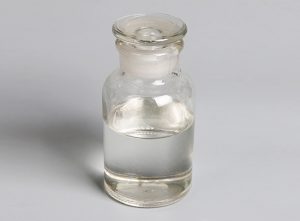
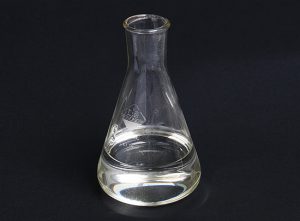
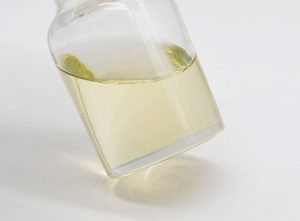
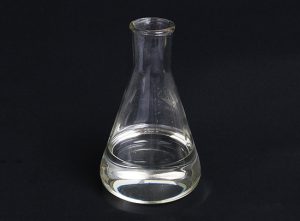
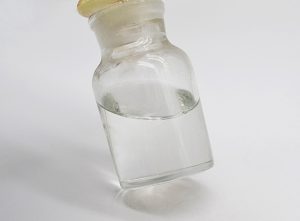
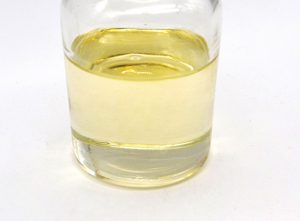
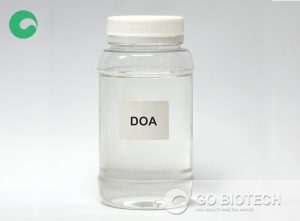
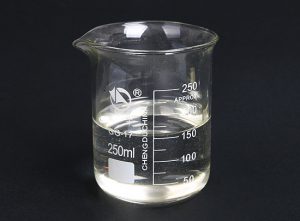
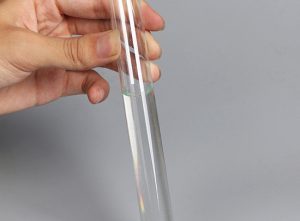
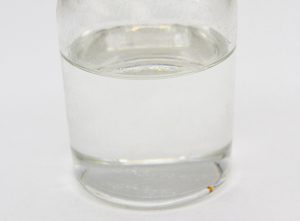
| Appearance | Clear, colorless to light-straw transparent oily liquid |
| Assay / Ester Content (%) | ≥ 99.0% |
| Acid Value (mg KOH/g) | ≤ 0.05 |
| Flash Point (°C) | ≥ 175 °C |
| Density (20°C, g/cm³) | 0.934 – 0.942 g/cm³ |
Why Choose Our DBS Plasticizer?
- ✓ FDA Food-Contact and Medical Compliance: DBS possesses fully certified safe non-toxic profiles, making it widely trusted for consumer packaging wrappers, medical tubes, and pharmaceutical applications.
- ✓ Excellent Low-Temperature Flexibility: It acts dynamically to prevent cold-brittleness, ensuring that polar elastomers and plastics maintain high elastic elongation and bending strength under cold processing parameters.
- ✓ Outstanding Molecular Compatibility & Flow: DBS mixes seamlessly with PVC, Nitrile Rubber (NBR), Neoprene (CR), PVB, and cellulose resins, sharply reducing Mooney viscosity while yielding smooth surface properties.
Primary Applications
Dibutyl Sebacate (DBS) provides deep technical compatibility across diverse synthetics, polar rubber systems, and technical resins:
Food Packaging & Wraps
Extensively formulated inside cling films, plastic containers, food-handling gaskets, and food-grade rubber conveyor belts requiring taste-free, odor-free safety compliance.
Medical Devices & Gaskets
A premier compound selection for intravenous fluid bags, medical-grade elastomer sheets, premium diagnostic gloves, and flexible clinical gaskets demanding high biosecurity.
Low-Temperature Rubber Parts
Utilized as an efficient plasticizing booster for NBR automotive fuel hoses, precision seals, aviation gaskets, and high-performance weatherstripping profiles.
Quality Assurance & Global Compliance
As an elite global provider of premium ester plasticizers, we recognize that chemical purity, structural consistency, and absolute safety directly protect your consumer-facing product integrity. Our automated esterification manufacturing complexes operate under rigorous quality management structures to ensure smooth regulatory clearance across all destination marketplaces:
- Advanced Laboratory Analytical Control: Every commercial production batch of our Dibutyl Sebacate passes through meticulous laboratory screening pipelines—including gas chromatography (GC) purity verification, refractive index mapping, and colorimetric profile testing—guaranteeing elite batch-to-batch uniformity.
- Comprehensive Global Regulatory Frameworks: We manage full regulatory compliance to secure smooth logistical supply loops. All export container deliveries arrive systematically backed by localized GHS Safety Data Sheets (SDS), detailed Certificates of Analysis (CoA), and credentials fully satisfying EU REACH, US TSCA, and rigorous FDA food-contact standards.
- Optimized Material Logistics: To seamlessly fit different automated dosing systems or mechanical handling limits on your facility floor, we offer versatile fluid containment options. This includes standard 200kg tight-head steel drums, 1000L high-density IBC totes, and high-capacity bulk flexitanks for maximum processing throughput.
⚠ Storage & Handling Guidelines
Maintaining proper warehouse environmental parameters is crucial to preserve the functional purity, minimal acidity, and long-term activity of Dibutyl Sebacate (DBS). Because high-purity ester configurations are inherently hygroscopic and can undergo minor hydrolysis when exposed to moisture over extended periods, strict containment protocols must be enforced.
- • Warehouse Climate Control: Store all chemical stock packages inside clean, thoroughly dry, cool, and well-ventilated indoor facilities. Ensure storage coordinates stay completely isolated from hot steam pipes, open heating elements, or direct solar exposure.
- • Moisture Avoidance & Sealing: Keep all drum closures and transfer pump connections tightly sealed when not dispensing fluid. Air exposure must be systematically limited to prevent ambient moisture absorption and subsequent elevation of the acid value.
- • Shelf Life Strategy: Preserved under stable, un-opened temperature-controlled warehouse conditions, our industrial DBS plasticizer retains a certified shelf life of 24 months from the manufacturing date. Implementing a continuous First-In, First-Out (FIFO) pipeline is highly recommended.
Frequently Asked Questions
What makes DBS preferred over other plasticizers for food-contact items? +
How does DBS compare to DOS (Dioctyl Sebacate) in terms of low-temperature performance? +
What is the typical dosage range of DBS in polyacrylate or nitrile rubber? +
Partner with a Reliable Chemical Supplier
We provide premium-grade Dibutyl Sebacate (DBS) carefully processed to meet international technical benchmarks. Available in uniform, high-purity liquid lots and customizable commercial packaging configurations to ensure absolute batch precision inside your industrial mixing environment.